






Construction sites are hubs of activity, transforming landscapes and building the infrastructure we rely on daily. However, the constant din from heavy machinery, hammering, and drilling often turns these necessary projects into sources of frustration and health concerns. Noise construction is not just an annoyance it’s a significant hazard that can lead to hearing loss, stress, and reduced productivity for workers, while disrupting sleep and daily life for nearby residents. In bustling urban areas, where development is nonstop, learning how to deal with construction site noise is essential for maintaining well-being and community harmony. According to occupational health data, prolonged exposure to high noise levels affects millions worldwide, with construction ranking among the noisiest industries. This article explores practical strategies, regulations, and tools like construction site noise monitoring to mitigate these issues, offering insights for site managers, workers, and affected neighbors.
Understanding Noise Hazard in Construction Site
The Health Impacts of Construction Noise
Noise hazard in construction site environments stems from prolonged exposure to sounds exceeding safe thresholds, leading to both immediate and long-term effects. Workers face the brunt, with risks including noise-induced hearing loss (NIHL), where inner ear cells are irreversibly damaged. Symptoms might not appear until years later, but early signs include tinnitus (ringing in the ears) and difficulty hearing conversations. Beyond hearing, excessive noise contributes to elevated stress levels, hypertension, and fatigue, which can increase accident rates on site. For instance, studies show that noise above 85 dB can impair concentration, leading to errors in high-risk tasks like operating machinery.
For residents, nuisance noise at work from nearby sites disrupts sleep, heightens anxiety, and can exacerbate mental health issues. Research links chronic construction noise to psychological stress, with urban dwellers reporting higher cortisol levels during prolonged exposure. Children and the elderly are particularly vulnerable, as noise interferes with learning and rest. Recognizing these hazards is the first step in addressing them effectively.
Common Sources of Noise on Sites
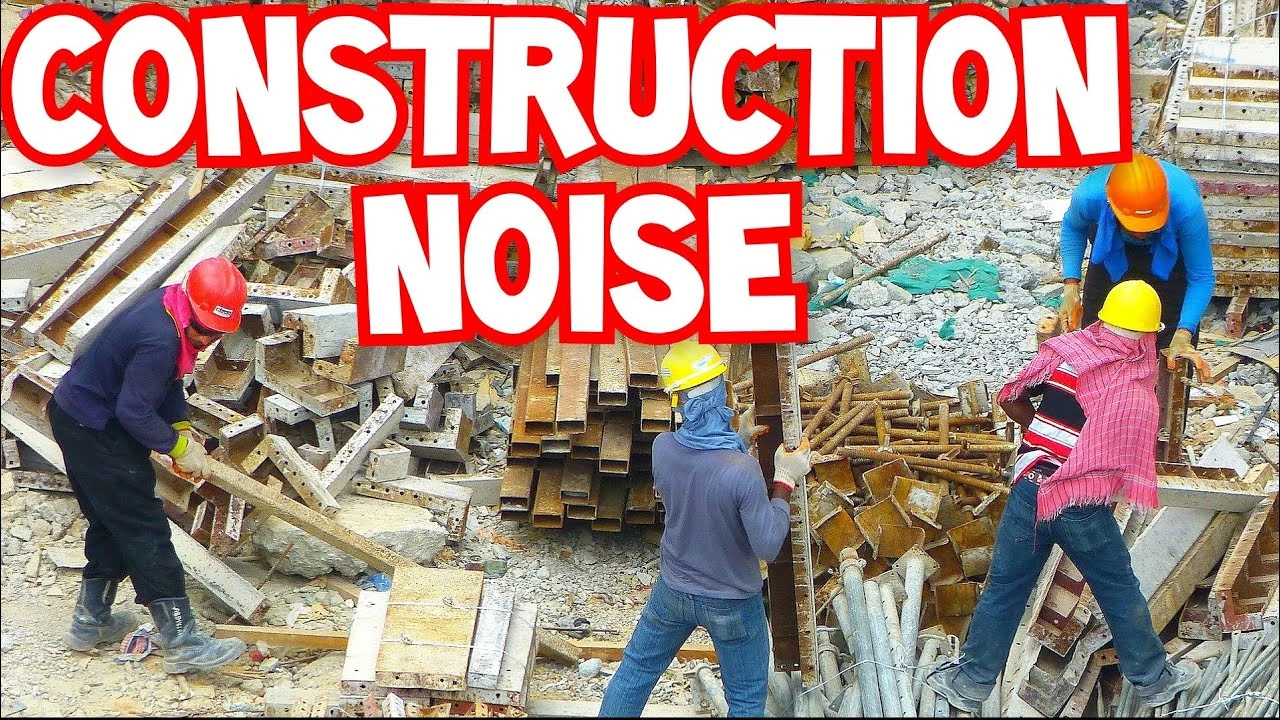
Noise construction arises from various equipment and activities. Heavy machinery like excavators and pile drivers generates intense, impulsive sounds, while tools such as jackhammers produce continuous high-decibel vibrations. Understanding these sources helps in targeted mitigation.
Noise Level in Construction Site: What You Need to Know
Measuring and Interpreting Noise Levels
The noise level in construction site settings is typically measured in decibels (dB), with A-weighting (dBA) accounting for human ear sensitivity. Safe exposure limits, per organizations like OSHA and HSE, recommend no more than 85 dBA over an 8-hour workday without protection. Levels above 90 dBA require immediate controls, as doubling intensity adds about 3 dB but halves safe exposure time.
Construction site noise monitoring involves using sound level meters to track averages and peaks, ensuring compliance and identifying hotspots. Regular monitoring not only prevents health issues but also avoids legal fines.
Construction Noise Chart: Key Equipment Levels
To visualize risks, here’s a construction noise chart based on typical equipment noise levels at 50 feet. Data from industry sources highlights why protection is crucial.
| Equipment | Typical Noise Level (dBA) | Potential Health Risk if Unprotected |
|---|---|---|
| Air Compressor | 81 | Moderate; fatigue over extended periods |
| Backhoe | 78-84 | Low to moderate; cumulative hearing damage |
| Auger Drill Rig | 84 | Hearing loss risk with daily exposure |
| Jackhammer | 100-120 | High; immediate protection needed |
| Pile Driver | 101 | Severe; can cause instant pain |
| Chainsaw | 106-115 | Extreme; tinnitus common |
| Bulldozer | 85-93 | Moderate; stress and concentration issues |
| Excavator | 85-90 | Hearing impairment over time |
| Hammering Nails | 131 | Impulsive; sudden hearing damage possible |
This table underscores that many tools exceed safe limits, necessitating engineering controls and PPE.
Regulations Governing Construction Noise
HSE Control of Noise at Work Guidelines
In the UK, the HSE control of noise at work regulations mandate risk assessments for sounds at or above 80 dBA, with mandatory hearing protection at 85 dBA. Employers must provide training, maintain equipment to minimize noise, and implement controls like quieter tools or barriers. For construction, this includes scheduling noisy tasks during less sensitive hours and using noise mapping for site planning.
Similar standards apply globally; OSHA in the US requires hearing conservation programs for exposures over 85 dBA. Compliance reduces nuisance noise at work complaints and legal liabilities.
Local Laws on Construction Hours
Regulations vary by location, but many jurisdictions restrict noisy work to daytime hours to minimize disturbance. For example, in residential areas, construction often can’t start before 7-8 AM or continue past 6-7 PM on weekdays, with quieter weekends. Night work requires permits and must demonstrate necessity, like for infrastructure repairs.
How to Control Noise in a Construction Site
Engineering Controls for Site Managers
To effectively control noise, prioritize engineering solutions over PPE. Use quieter equipment alternatives, such as electric tools instead of diesel-powered ones, which can reduce levels by 10-20 dB. Enclose noisy machinery in acoustic barriers or sheds to contain sound waves. Regular maintenance lubricating parts and replacing worn mufflers can slash noise by up to 50%.
Site layout matters: Position loud equipment away from boundaries and workers, using natural or temporary barriers like earth berms. Implement rotation schedules to limit individual exposure.
Administrative and PPE Measures
Administrative controls include training workers on noise risks and scheduling high-noise tasks during off-peak times. PPE like earplugs or earmuffs is essential but should be the last resort; ensure proper fit for 20-30 dB reduction.
Construction site noise monitoring tools, such as dosimeters, track exposures in real-time, allowing adjustments.
How to Cope with Construction Noise as a Resident
Personal Mitigation Strategies
For those living near sites, coping starts with home modifications. Install double-glazed windows and heavy curtains to block sound, reducing indoor levels by 10-15 dB. Use white noise machines or apps to mask disturbances, promoting better sleep.
Communicate with site managers politely request updates on noisy phases and suggest quieter methods. If noise persists, document incidents and report to local authorities for enforcement.
Community and Legal Approaches
Join neighborhood groups to advocate for better site practices. In extreme cases, pursue nuisance claims if noise violates local ordinances.
How to Eliminate Construction Noise: Is It Possible?
Complete elimination is challenging due to the nature of work, but significant reduction is achievable through hybrid approaches. Advanced tech like vibration-dampening mounts and silent piling methods can cut peaks dramatically. While not zero, aiming for under 70 dBA at boundaries minimizes impact.
FAQ
How to Control Noise in a Construction Site?
Implement engineering controls like barriers and quiet equipment, administrative scheduling, and PPE. Regular monitoring ensures effectiveness.
How to Cope with Construction Noise?
Use soundproofing at home, white noise, and communicate with sites. Report violations if needed.
How to Eliminate Construction Noise?
Full elimination isn’t feasible, but reductions via tech and planning can drop levels significantly.
Is It Legal to Do Construction Work at Night Near Me?
It depends on local laws; many prohibit noisy night work without permits, typically allowing 7 AM-7 PM weekdays.
What Are the Effects of Noise Hazard in Construction Site?
Includes hearing loss, stress, fatigue, and increased accidents for workers; sleep disruption and anxiety for residents.
Why Is Construction Site Noise Monitoring Important?
It identifies risks, ensures regulatory compliance, and guides mitigation efforts.
What Is Nuisance Noise at Work?
Unreasonable noise interfering with enjoyment of property, often leading to complaints or legal action.
Conclusion
Dealing with construction site noise requires a multifaceted approach, from understanding hazards and levels to implementing controls and coping strategies. By adhering to regulations like HSE guidelines and using tools for monitoring, sites can minimize impacts while protecting health. For residents, proactive measures ensure livability amid development.