






In the world of online shopping, customers expect to find exactly what they want quickly. With thousands of products on ecommerce sites, simple category browsing often falls short. This is where faceted navigation comes in a powerful tool that lets users refine search results using multiple filters like price, color, brand, or size. Also known as faceted search, it transforms overwhelming product lists into personalized, easy-to-navigate experiences.
For ecommerce businesses, effective seo faceted navigation is crucial. It not only improves user satisfaction and boosts conversions but also plays a big role in ecom seo. Poor implementation, however, can lead to serious faceted navigation seo issues, such as duplicate content or wasted crawl budget. As search engines like Google prioritize user-friendly sites, understanding seo faceted navigation helps you rank higher while delivering value to shoppers. In this guide, we’ll break it down step by step for beginners.
What Is Faceted Navigation?
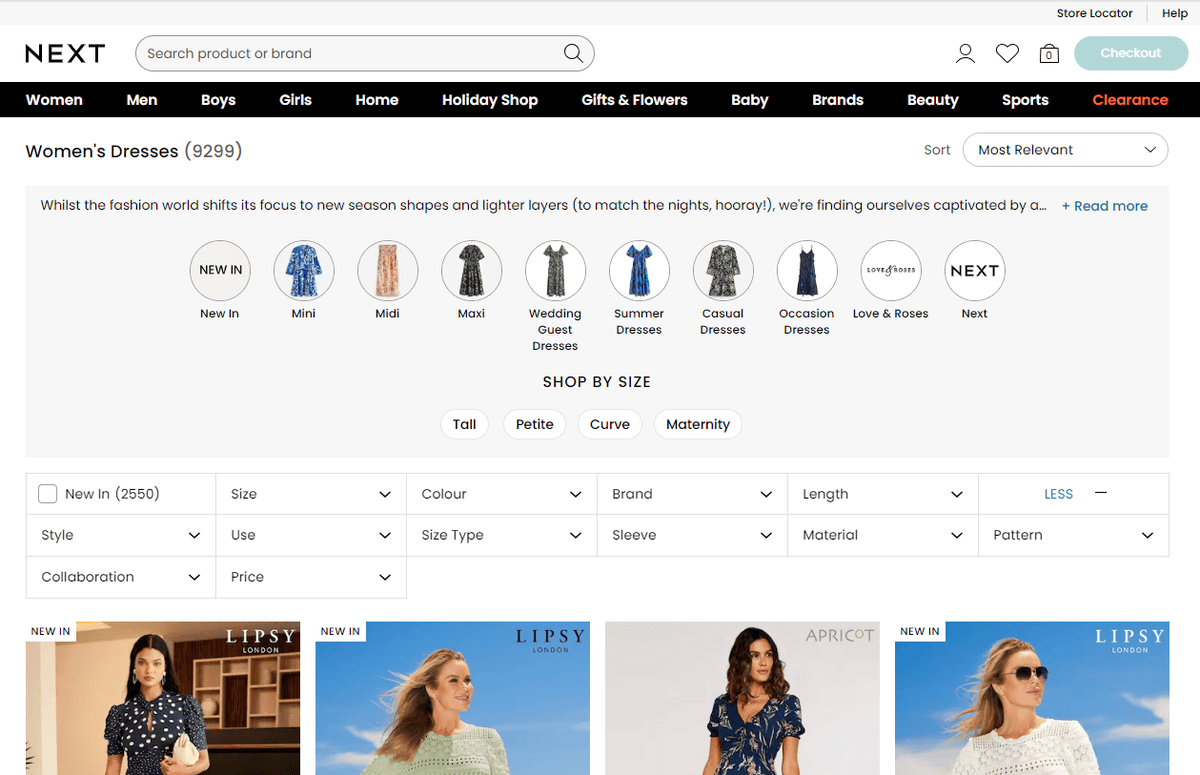
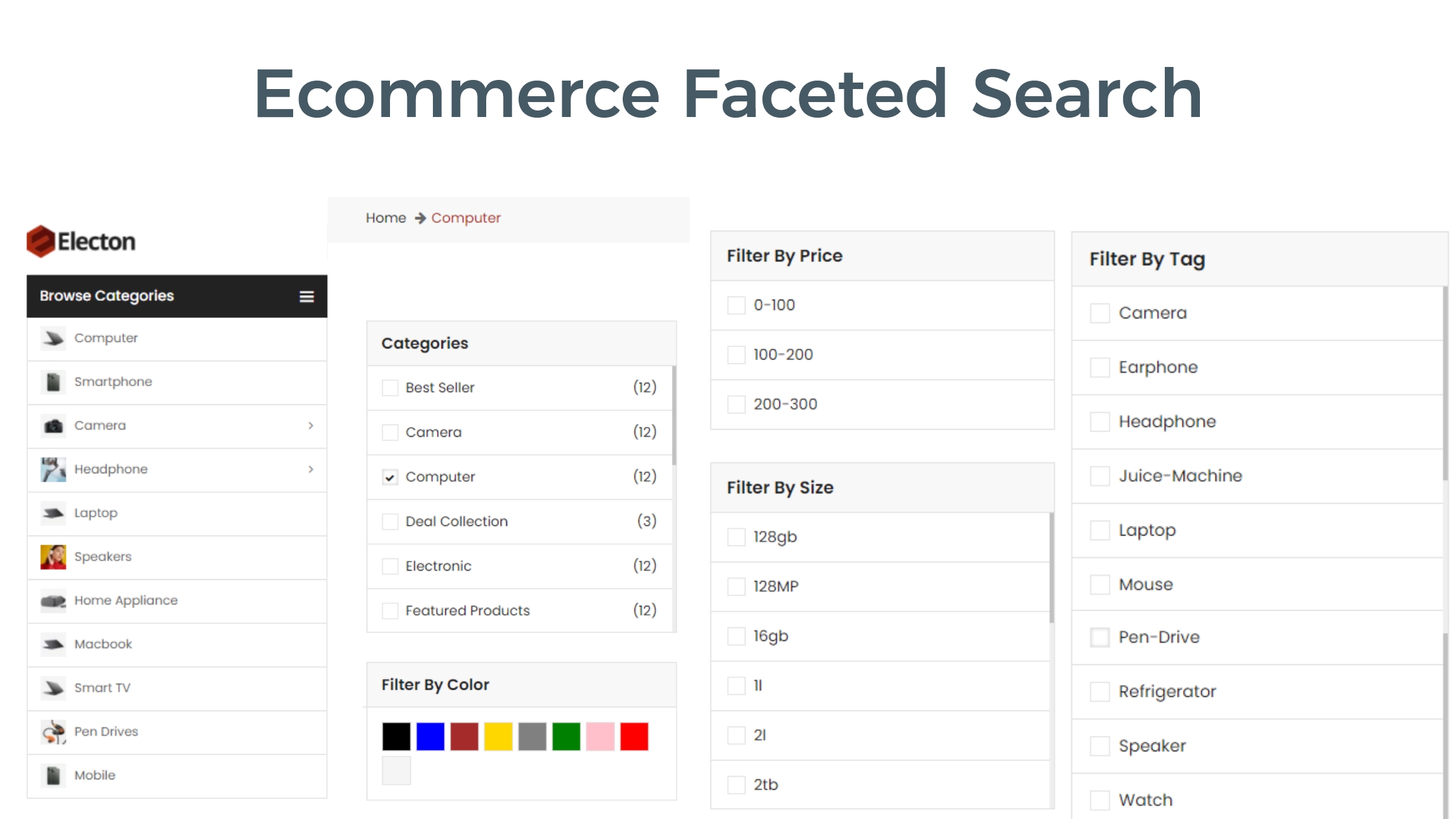
What is faceted navigation? At its core, it’s a search and browsing technique that allows users to filter results based on multiple attributes, or “facets.” The term faceted meaning comes from faceted classification, where items are categorized along independent dimensions rather than a single hierarchy.
Unlike traditional navigation with fixed categories and subcategories, faceted search dynamically updates results as users apply filters. This is especially useful on large sites where products have varied attributes.
For example, on a clothing site, facets might include:
- Gender (Men’s, Women’s)
- Size (S, M, L)
- Color (Red, Blue)
- Price Range ($0–$50, $50–$100)
- Brand (Nike, Adidas)
Users can combine these freely, creating tailored views without reloading the page entirely (often powered by JavaScript).
Faceted Navigation Examples in Ecommerce
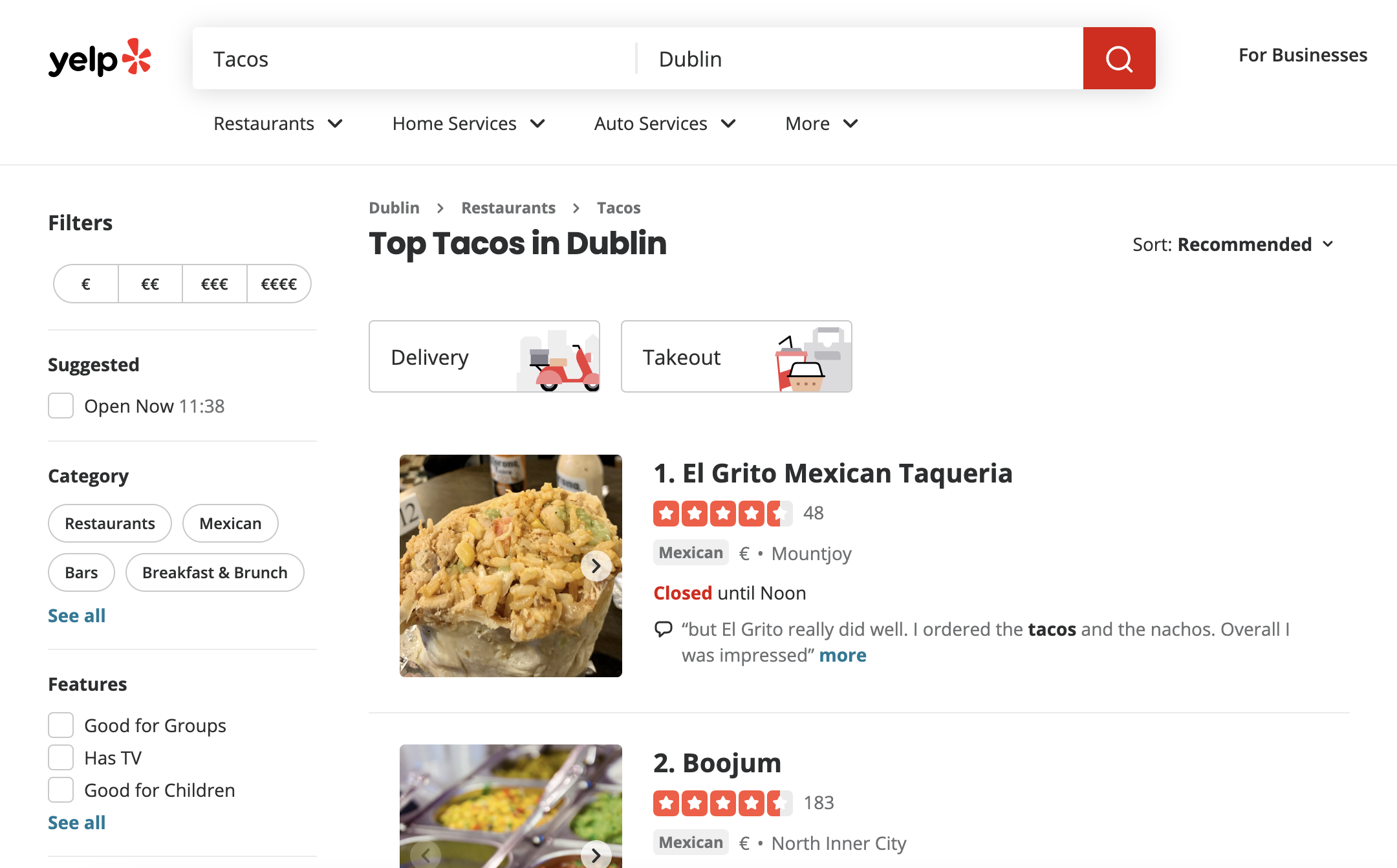
Real-world faceted navigation examples show its power on major ecommerce platforms:
- Amazon: Filters for department, brand, price, customer ratings, and Prime eligibility. This helps users sift through millions of items.
- eBay: Similar filters, plus condition (new/used) and seller location.
- Newegg or Currys: Tech sites use facets like processor type, RAM, or screen size for precise product matching.
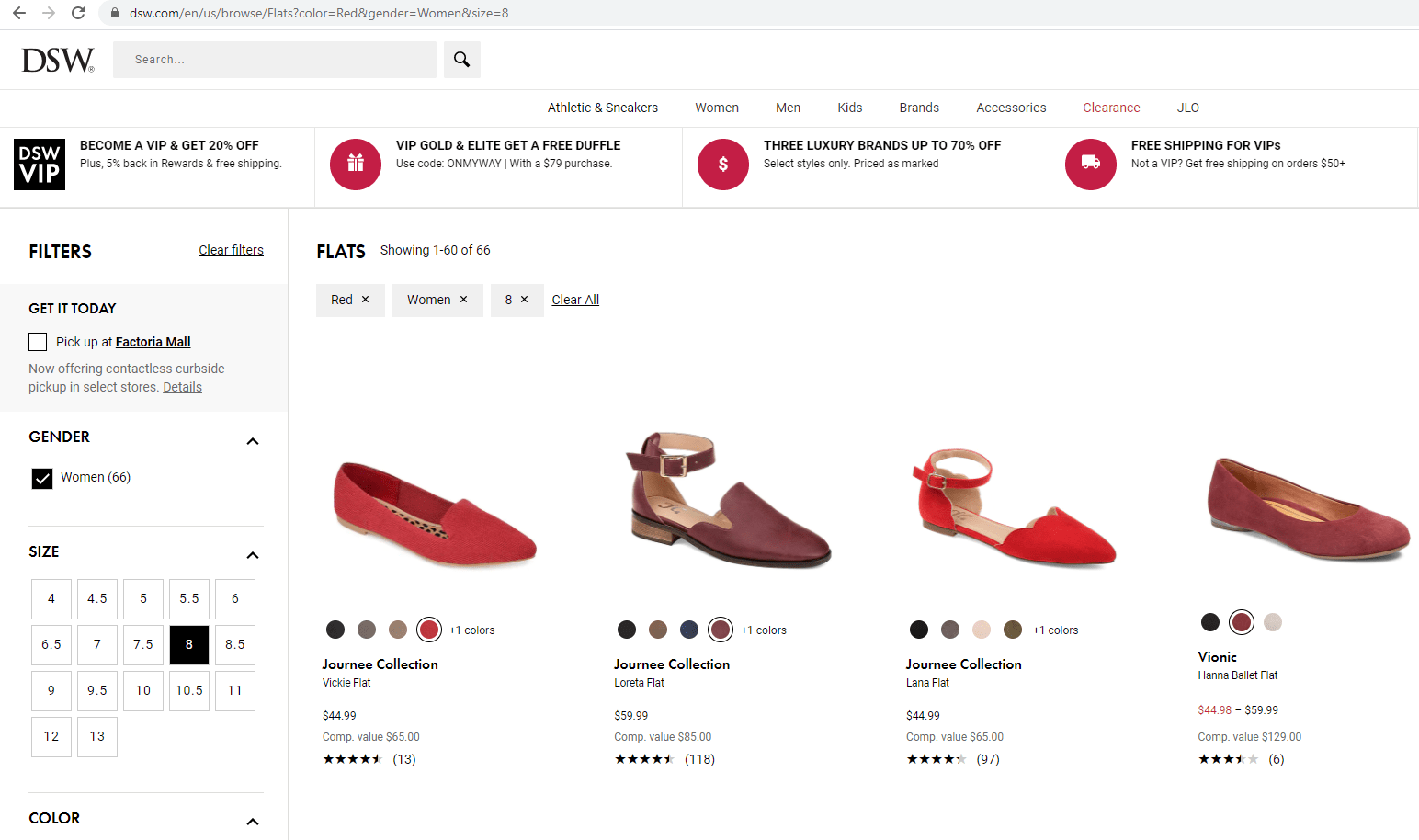
- Zappos or DSW (shoes): Heavy use of size, width, color, and material filters.
These faceted navigation examples demonstrate how facets reduce bounce rates by guiding users to relevant products faster. In ecom seo, well-implemented facets can even rank for long-tail keywords, like “red Nike running shoes size 10.”
Why Faceted Navigation Matters for Ecom SEO
Faceted search enhances user experience, leading to longer sessions, higher engagement, and more sales. Studies show sites with good faceted navigation see conversion increases of up to 20%.
From an SEO perspective, it creates opportunities for long-tail traffic. Filtered pages can target specific queries, improving visibility in Google.
However, unchecked facets generate thousands of URLs, causing problems. Google’s google faceted navigation guidelines emphasize managing these to avoid overcrawling and resource waste.
Common Faceted Navigation SEO Issues
While beneficial, faceted navigation seo issues are common on large sites:
- Duplicate Content: Different filter combinations often show nearly identical products, confusing search engines.
- Crawl Budget Waste: Googlebot crawls endless variations instead of important pages.
- Index Bloat: Too many low-value pages get indexed, diluting site authority.
- Diluted Link Equity: Internal links spread across duplicates, weakening core pages.
- Crawl Traps: Infinite combinations trap bots in loops.
These faceted navigation seo issues can lower rankings and slow new content discovery, as noted in Google’s documentation.
Faceted Search Best Practices
Follow these faceted search best practices to maximize benefits and minimize risks:
1. Choose Valuable Facets
Prioritize filters with search demand (e.g., brand, color) over low-value ones (e.g., sort order).
2. Implement Technically Smart
- Use JavaScript for dynamic updates without new URLs.
- For crawlable pages, add canonical tags pointing to the main category.
3. Follow Google Faceted Navigation Guidelines
- Block unnecessary URLs in robots.txt if not needed for indexing.
- Use noindex for low-value filters.
- Allow crawling of high-value combinations.
4. Optimize URLs and Structure
Keep URLs clean; limit parameter combinations.
5. Add Unique Content
For indexable facets, include descriptive text or reviews.
6. Monitor and Audit Regularly
Use tools like Google Search Console to spot issues.
| Issue | Cause | Solution | Impact on SEO |
|---|---|---|---|
| Duplicate Content | Multiple URLs for similar content | Canonical tags, noindex | Prevents penalties, consolidates signals |
| Crawl Budget Waste | Endless filter combinations | Robots.txt disallow, JS rendering | Faster indexing of key pages |
| Index Bloat | Low-value pages indexed | Noindex meta tags | Cleaner index, better authority |
| Diluted Link Equity | Links to duplicate pages | Nofollow internal links to blocked pages | Stronger equity to core pages |
| Overcrawling | Novel-looking URLs | Block non-essential in robots.txt | Reduced server load, efficient crawls |
This table summarizes key faceted navigation seo issues and fixes based on expert recommendations.
Advanced Tips for Ecom SEO with Faceted Navigation
- Map facets to keyword research for SEO potential.
- Use breadcrumbs and clear selected filter displays (breadbox) for UX.
- Test with analytics: Track which facets drive conversions.
- For large catalogs, consider pre-rendering or server-side solutions.
Implementing seo faceted navigation thoughtfully aligns with ecom seo goals, driving organic traffic while enhancing shopping experiences.
FAQ
What is faceted navigation?
Faceted navigation is a filtering system that lets users refine results by multiple attributes, like price or brand, common in ecommerce.
What does faceted mean in search?
Faceted meaning refers to breaking down data into independent dimensions (facets) for multi-way classification and filtering.
What are some faceted navigation examples?
Popular faceted navigation examples include Amazon’s product filters and sites like Zappos for shoes, using color, size, and brand.
How does faceted search impact SEO?
Faceted search can boost long-tail rankings but cause issues like duplicate content if not managed per google faceted navigation guidelines.
What are faceted search best practices?
Key faceted search best practices include using canonicals, noindexing low-value pages, and prioritizing user-relevant facets.
What are common faceted navigation SEO issues?
Major faceted navigation seo issues involve duplicate content, crawl waste, and index bloat from excessive URL variations.
How can I improve ecom SEO with faceted navigation?
Focus on ecom seo by indexing high-demand facets, blocking others, and adding unique content to filtered pages.
Conclusion
Mastering seo faceted navigation is essential for modern ecommerce success. By understanding what is faceted navigation, leveraging real faceted navigation examples, and applying faceted search best practices, you can create seamless user experiences while avoiding common pitfalls.