







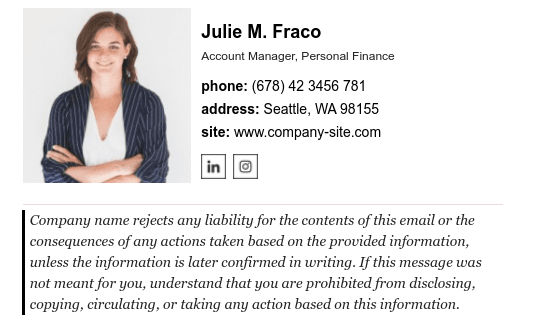
In the era of digital communication, business emails often carry sensitive information, quotes, advice, or confidential details. A well-crafted email disclaimer protects your organization from legal risks, clarifies intentions, and ensures compliance with regulations. Email disclaimer examples help mitigate issues like unintended disclosures, misdirected messages, or liability for transmitted errors.
While not always legally required in every jurisdiction, disclaimers demonstrate due diligence and professionalism. As of 2025, with evolving data privacy laws like GDPR and HIPAA, using appropriate disclaimer examples is a best practice for businesses in finance, healthcare, law, and more. This guide provides practical email disclaimer examples for professional business emails, types, templates, and tips to implement them effectively.

Why Use Email Disclaimers in Business Communications?
Email disclaimers serve multiple purposes:
- Protect Confidentiality: Prevent unauthorized sharing of sensitive data.
- Limit Liability: Clarify no responsibility for errors, viruses, or actions based on the email.
- Ensure Compliance: Meet requirements under laws like HIPAA for medical information or company registration details in the UK.
- Avoid Unintended Contracts: State that emails do not form binding agreements.
- Professionalism: Reinforce brand trust and environmental responsibility (e.g., “think before printing”).
Without a disclaimer, misdirected emails could lead to breaches, or informal advice might be misinterpreted as formal. No responsibility disclaimer examples are particularly useful for limiting exposure to claims from inaccurate transmissions.
Types of Email Disclaimers
Common categories include:
Confidentiality Disclaimers
The most widespread type, ideal for external email disclaimer examples.
Example: “This message and any attachments are confidential and intended solely for the addressee. If received in error, please notify the sender and delete it immediately.”
Views Expressed Disclaimers
Protects the company from employee opinions.
Example: “The views expressed in this email are those of the author and do not necessarily reflect the views of [Company Name].”
No Responsibility/Liability Disclaimers
Key for no responsibility disclaimer examples.
Example: “[Company Name] accepts no liability for any errors or omissions arising from email transmission or viruses.”
Compliance-Specific (e.g., HIPAA or GDPR)
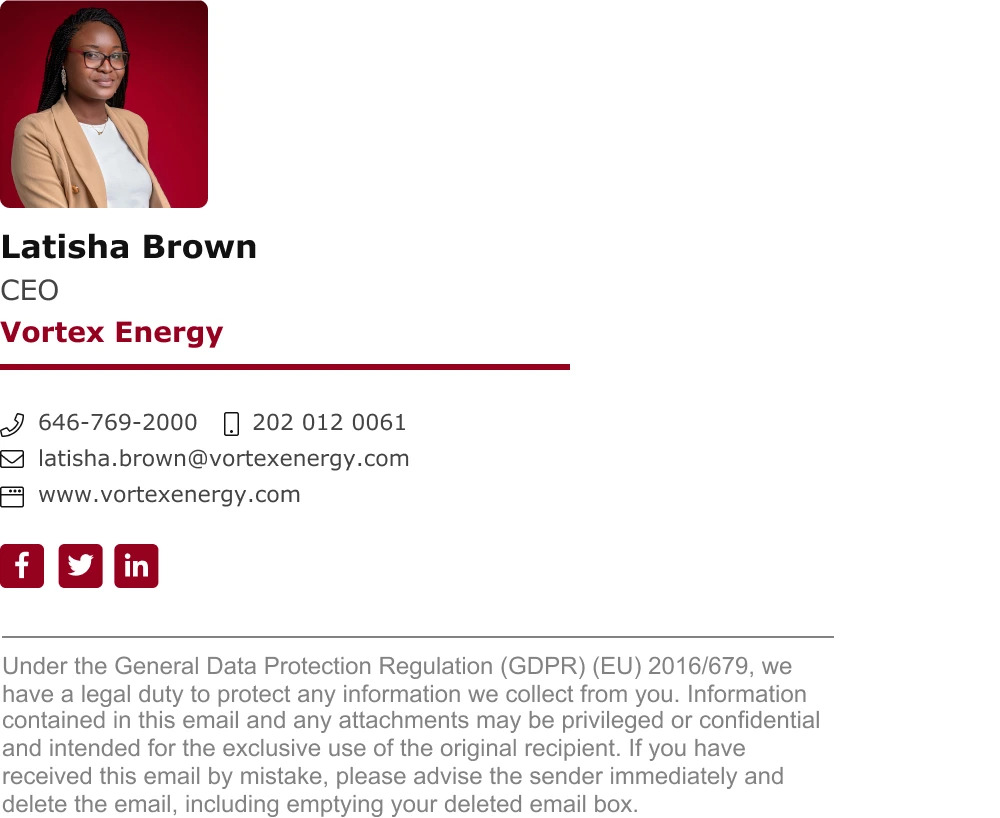
For medical disclaimer examples: “This email may contain protected health information (PHI). Unauthorized disclosure is prohibited. If received in error, notify the sender and destroy all copies.”
Pricing and Quotes Disclaimers
Pricing subject to change disclaimer examples: “All prices quoted are subject to change without notice and valid for [X] days only.”
Short and General Disclaimers
Short disclaimer examples for everyday use: “Confidential: Intended for recipient only. Delete if misdirected.”
These can overlap with website disclaimer examples or product disclaimer examples when emails reference online content.

Comparison of Common Email Disclaimer Types
| Type | Primary Purpose | Best For | Length (Approx.) | Legal Strength | Example Use Case |
|---|---|---|---|---|---|
| Confidentiality | Protect sensitive info | All external emails | Medium | Moderate (notice of intent) | Client communications |
| No Responsibility | Limit liability for errors/viruses | General business | Short | Low-Moderate | All outgoing emails |
| Views Expressed | Separate personal opinions | Employee emails | Short | Moderate | Internal/external discussions |
| HIPAA/Medical | Comply with health data rules | Healthcare providers | Medium | High (regulatory support) | Patient correspondence |
| Pricing Subject to Change | Clarify quotes not binding | Sales/quotes | Short | Moderate | Proposals and estimates |
| External Sender Warning | Alert to potential phishing | Inbound (via rules) | Short | Preventive | Corporate inboxes |
| Environmental | Promote sustainability | Eco-conscious brands | Short | None (branding) | All emails |
Ready-to-Use Email Disclaimer Examples
Here are customizable email disclaimer examples for professional business emails:
- Standard Confidentiality (Short): “This email and attachments are confidential. If not the intended recipient, please delete and notify the sender.”
- Comprehensive Confidentiality: “This message contains confidential information and is intended only for the recipient named. If you are not the intended recipient, you are notified that disclosing, copying, distributing, or taking any action in reliance on the contents is strictly prohibited.”
- No Responsibility Disclaimer: “The sender accepts no responsibility for any viruses or errors in transmission. Views are personal and not those of [Company].”
- Medical Disclaimer Example: “This email may contain protected health information. Unauthorized use or disclosure is prohibited by law. If received in error, please destroy and notify sender.”
- Pricing Subject to Change: “Prices and availability are subject to change without notice. This quote is valid for 30 days.”
- External Email Disclaimer: “CAUTION: External email. Do not click links or open attachments unless you trust the sender.”
- Combined Professional Example: “Confidential: Intended solely for [Recipient]. If misdirected, delete immediately. [Company] accepts no liability for content accuracy or transmission issues. Prices subject to change.”
Tailor these to your needs and consult legal counsel for jurisdiction-specific requirements.
Best Practices for Implementing Email Disclaimers in 2025
- Keep It Concise: Aim for readability avoid walls of text.
- Place Strategically: Below the signature for outgoing; at the top for external warnings.
- Use Management Tools: Centralize with tools like Exclaimer or CodeTwo for consistency.
- Update Regularly: Review annually for law changes.
- Combine with Other Measures: Encryption, training, and secure portals enhance protection.
- Avoid Overuse: Don’t undermine enforceability with excessive jargon.
While disclaimers offer limited legal binding (as unilateral notices), they show reasonable care.
FAQ
1. What are email disclaimer examples used for?
They protect confidentiality, limit liability, ensure compliance, and clarify intentions in professional emails.
2. Are email disclaimers legally required?
Not universally, but mandated in some regions (e.g., UK company details) or industries (e.g., HIPAA for medical).
3. What is a good short disclaimer example?
“This email is confidential. Delete if received in error and notify sender.”
4. How do no responsibility disclaimer examples work?
They state no liability for errors, viruses, or actions taken based on the email.
5. Can I use medical disclaimer examples in non-health emails?
No reserve for PHI; misuse could confuse or weaken credibility.
6. What about pricing subject to change disclaimer examples?
Useful in sales emails: “Quotes valid for [period]; prices subject to change.”
7. How do external email disclaimer examples differ?
Often for inbound: Warn of potential risks from outside senders.
Conclusion
Incorporating effective email disclaimer examples for professional business emails safeguards your operations while projecting reliability. Start with a basic confidentiality notice and customize based on your industry.