




In the competitive world of digital marketing, copywriting, and sales, small changes can lead to big results. One of the most effective techniques is using trigger words powerful, emotionally charged terms that evoke responses and drive action. These words tap into psychology, sparking curiosity, urgency, or desire, and can significantly increase clicks, engagement, and sales.
Studies and real-world tests show that incorporating the right trigger words can boost conversion rates by 10-20% or more in headlines, emails, and CTAs. For businesses relying on online traffic, knowing what are trigger words and how to use them is essential for standing out and turning visitors into customers. This guide explores their meaning, types, and strategies to help you apply them effectively.
What Are Trigger Words?
Trigger words meaning refers to specific words or phrases that provoke an emotional or psychological reaction, prompting the reader to act. In marketing, they are also called power words because they influence behavior subtly yet powerfully.
Unlike neutral language, trigger words create urgency, build trust, or highlight value. They work by activating parts of the brain tied to emotion and decision-making. Marketers have used them for decades, with modern data from tools like OptinMonster and CoSchedule confirming their impact on open rates and conversions.
However, trigger words aren’t limited to marketing. For example:
- Winter Soldier trigger words from Marvel (like “longing,” “rusted,” “seventeen”) activate a programmed response in the character.
- ASMR trigger words (such as “whisper,” “tingle,” “relax”) induce relaxing sensations.
- Spam trigger words (like “free,” “guarantee,” or “urgent” when overused) flag emails as junk.
- In language learning, preterite trigger words (e.g., “ayer”) and imperfect trigger words (e.g., “siempre”) signal specific past tenses in Spanish, distinguishing completed vs. ongoing actions.
In marketing, focus on positive triggers that encourage buys without manipulation.

Why Trigger Words Boost Conversions
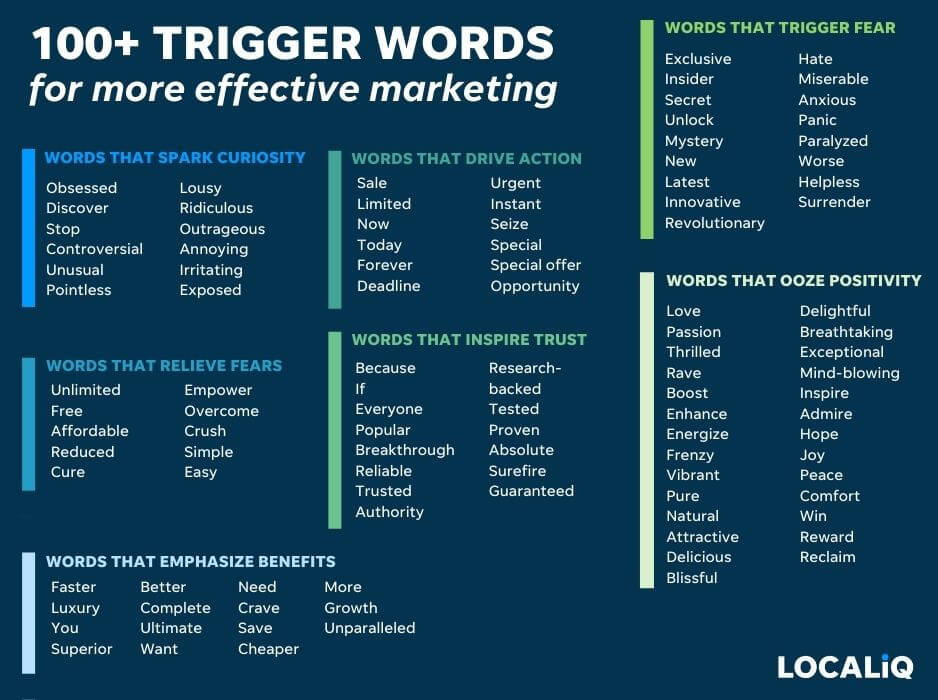
Emotional language outperforms logical appeals in sales. Research shows people buy based on feelings, then justify rationally. Trigger words shortcut this by evoking greed, fear of missing out, or excitement.
Examples:
- “Free” attracts value-seekers.
- “Limited” creates scarcity.
- “Instant” promises quick results.
Tests reveal headlines with trigger words get 73% more clicks. In emails, they raise open rates; in CTAs, they increase clicks. Ethical use builds trust and loyalty.
Top Categories of Trigger Words for Conversions
Here are proven categories with examples:
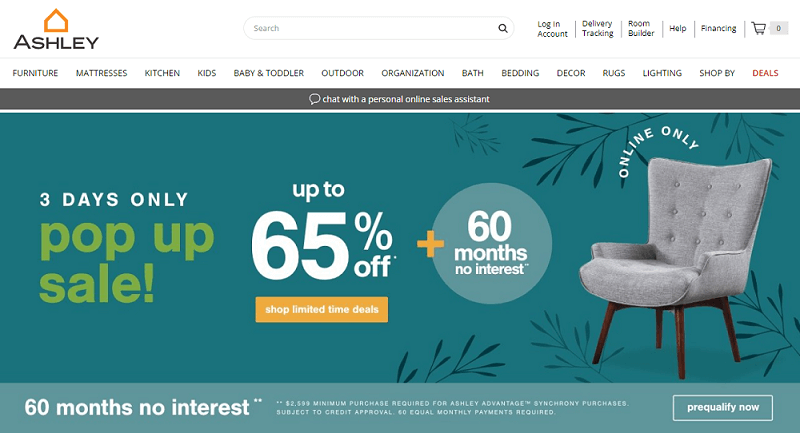
Urgency and Scarcity
These drive immediate action via FOMO.
- Now, Limited, Today, Urgent, Last Chance, Exclusive, Hurry, Deadline.
Value and Greed
These emphasize gains or savings.
- Free, Save, Bonus, Discount, Proven, New, Easy, Guaranteed.
Curiosity
These hook readers.
- Secret, Hidden, Revealed, Discover, Unlock, Insider.
Trust and Safety
These reduce hesitation.
- Risk-Free, Guaranteed, Proven, Authentic, Backed.
Emotional Power
These connect deeply.
- You, Imagine, Because, New, Love.
Note: Some relate to 7 arousal trigger words in niche contexts, but focus on ethical marketing ones here.
Comparison Table: Trigger Word Categories
| Category | Examples | Best For | Potential Boost | Common Pitfall |
|---|---|---|---|---|
| Urgency/Scarcity | Now, Limited, Urgent, Exclusive | CTAs, Subject Lines | Up to 30% in clicks | Overuse leads to skepticism |
| Value/Greed | Free, Save, Bonus, Discount | Offers, Headlines | Higher sign-ups | Avoid with spam trigger words |
| Curiosity | Secret, Discover, Revealed | Blog Titles, Teasers | Increased engagement | Must deliver on promise |
| Trust | Guaranteed, Proven, Risk-Free | Landing Pages | Reduced cart abandonment | False claims damage reputation |
| Emotional | You, Imagine, Love | Personalization | Stronger connections | Insincerity feels manipulative |
How to Use Trigger Words Effectively
- Headlines and Subject Lines: Start strong e.g., “Unlock Exclusive Secrets to Boost Sales Now.”
- CTAs: Make compelling e.g., “Get Instant Access Free.”
- Emails and Ads: Personalize and vary to avoid spam.
- Avoid Overuse: Balance to prevent triggering filters or distrust.
- Test: A/B test for best results.
- Ethical Application: Deliver value.
Unlike unrelated uses (e.g., winter soldier trigger words, asmr trigger words, or preterite vs imperfect trigger words in grammar), marketing ones persuade positively.
Common Mistakes and Spam Risks
Overusing salesy terms can flag spam trigger words. Avoid excessive “free,” “guarantee,” or all caps. Focus on value and relevance.
FAQ
1. What are trigger words?
Trigger words are emotionally charged terms that prompt reactions, like action in marketing.
2. How do trigger words boost conversions?
They evoke emotions like urgency or desire, leading to more clicks and sales.
3. What are some top trigger words for marketing?
Free, Now, Limited, Exclusive, Proven, You, Secret.
4. Are there trigger words to avoid, like spam trigger words?
Yes, overuse of “free” or “urgent” can flag spam; balance them.
5. How are trigger words different in other contexts, like Winter Soldier trigger words?
Those activate a character; marketing ones persuade buyers ethically.
6. Can trigger words be used in emails without triggering spam?
Yes, sparingly with genuine content.
7. What’s the difference between preterite vs imperfect trigger words?
In Spanish grammar, they signal tenses (e.g., “ayer” for preterite); unrelated to marketing.
Conclusion
Mastering trigger words that instantly boost conversions transforms marketing. From urgency to trust-building, these words drive results when used authentically.