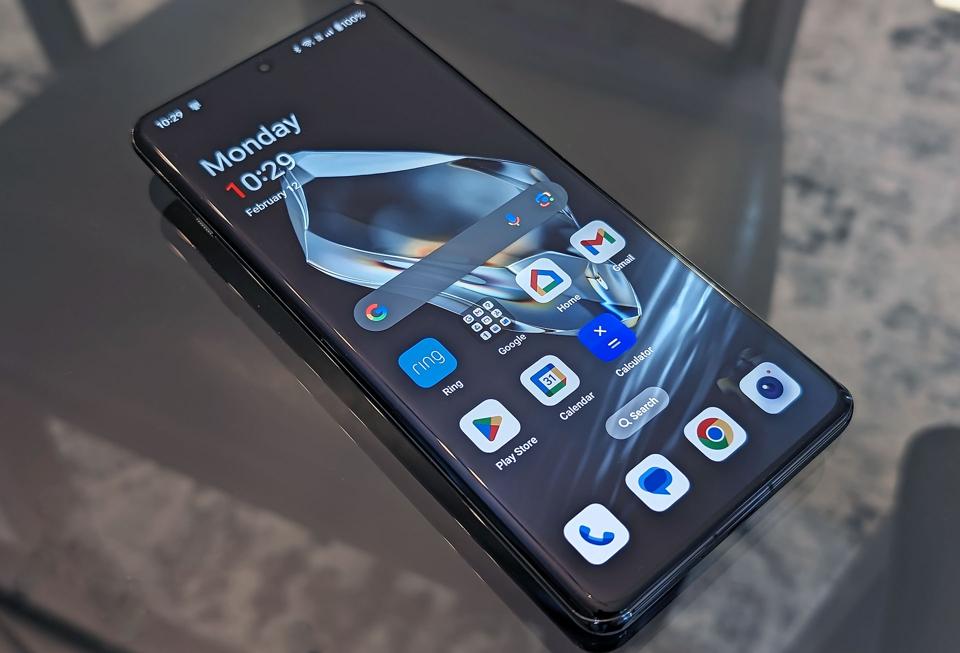






In an age where technology evolves rapidly, many of us accumulate gadgets from smartphones and laptops to vintage audio equipment and spare components that we don’t use daily but want to preserve for future needs. Storing electronics properly is more than just tucking them away; it’s about protecting valuable investments from environmental hazards that can lead to corrosion, data loss, or complete failure. With the average household owning dozens of devices and repair costs soaring often exceeding £200 for a simple fix understanding how to store electronics long-term can save money, reduce e-waste, and ensure your items remain functional. Whether you’re decluttering, preparing for a move, or safeguarding sensitive components, factors like temperature, humidity, and packaging play pivotal roles. This guide explores best practices, common pitfalls like storing electronics in freezing temperatures or attics, and tailored advice for different setups, drawing from expert insights to help you make informed choices.
What is the Best Way to Store Electronics?
The best way to store electronics involves a combination of environmental control, proper packaging, and regular checks to mitigate risks like moisture buildup or electrostatic discharge (ESD). Start by assessing your items: clean them thoroughly with compressed air or microfiber cloths to remove dust, which can attract moisture and cause shorts. Remove batteries to prevent leakage and corrosion store them separately in a cool, dry spot.
For organization, use a box for storing electronics made of anti-static material or lined with foam to cushion against shocks. A cabinet for storing electronics, like a lockable metal unit with ventilation, offers added security and dust protection. Label everything clearly and inventory your storage to track items easily.
Here are the Top 6 Tips for Storing Electronic Components Safely:
- Use Anti-Static Packaging: Wrap sensitive parts like circuit boards in ESD bags to prevent static damage, which can fry microchips instantly.
- Control Temperature & Humidity: Aim for 20-25°C and under 60% relative humidity; use silica gel packets or dehumidifiers to absorb excess moisture.
- Avoid Direct Sunlight & Dust: Store in dark, sealed containers to prevent UV degradation and dust accumulation, which can lead to overheating or shorts.
- Follow FIFO (First-In-First-Out): Rotate stock for components like capacitors, using older ones first to avoid shelf-life expiration.
- Organize by Type and Label Clearly: Group items (e.g., resistors separate from diodes) in divided bins for quick access and to minimize handling risks.
- Keep Magnetic Components Away from Magnetic Fields: Store hard drives or speakers far from magnets to prevent data corruption or demagnetization.
Implementing these ensures longevity; for instance, properly stored laptops can last 5-10 years in dormancy without issues.
What Temperature Will Damage Electronics?
Temperature extremes are a silent killer for electronics, affecting everything from battery life to circuit integrity. What temperature will damage electronics? Generally, devices are rated for 0-35°C operating, but storage tolerances are wider ideally 10-30°C. Above 35°C (95°F), components like capacitors expand, leading to leaks or failures; every 10°C rise halves reliability. High heat accelerates chemical reactions in batteries, causing swelling or explosions in lithium-ion types.
Storing electronics in freezing temperatures is risky too below 0°C, condensation forms upon thawing, shorting circuits. Storing electronics in the cold, like winter garages dipping to -10°C, can crack screens or degrade solder joints due to contraction. Thermal cycling repeated hot-cold shifts stresses materials, causing micro-cracks in PCBs. To mitigate, acclimate devices gradually before powering on, and use insulated containers.
Humidity compounds this: over 60% fosters corrosion, while under 30% increases ESD risks. Monitor with hygrometers for optimal conditions.
Pros and Cons of Common Storage Locations
Choosing where to store electronics impacts their lifespan. Here’s a breakdown:
Storing Electronics in Garage
Storing electronics in garage spaces is convenient but problematic. Pros: Easy access, often spacious. Cons: Temperature swings (hot summers, cold winters) and dust from vehicles accelerate degradation. Storing electronics in cold garage exacerbates freezing risks, leading to battery drain or LCD damage. Use sealed bins with desiccants if unavoidable.
Storing Electronics in Attic
Storing electronics in attic is tempting for out-of-sight items, but pros are limited to space. Cons: Extreme heat (up to 50°C in summer) causes melting or warping, plus pests and insulation dust. Avoid entirely for valuables.
Storing Electronics in Shed
Similar to garages, storing electronics in shed offers isolation but suffers from humidity and temperature fluctuations. Pros: Secure if locked. Cons: Rodents and moisture ingress common. Opt for weatherproof sheds with climate control.
Storing Electronics in Storage Unit
Storing electronics in storage unit is often ideal. Pros: Climate-controlled options maintain steady temps (15-25°C), security features like cameras. Cons: Monthly fees (£50-200), potential for theft if not monitored. Choose units with humidity control for best results.
| Location | Pros | Cons | Recommended? |
|---|---|---|---|
| Garage | Accessible, spacious | Temp swings, dust, cold risks | No, unless insulated |
| Attic | Out-of-way storage | Heat extremes, pests | No |
| Shed | Isolated, lockable | Humidity, rodents | Rarely, with protection |
| Storage Unit | Climate control, secure | Costly, access limited | Yes, for long-term |
This table summarizes key factors; prioritize controlled environments.
What Are the 4 Categories of Electronics?
Electronics broadly fall into categories based on function and complexity, aiding tailored storage. The 4 categories of electronics often include:
- Consumer Electronics: Devices like TVs, smartphones store in cool, dry spots to protect screens and batteries.
- Industrial Electronics: Control systems, sensors require ESD protection due to sensitivity.
- Automotive Electronics: ECUs, infotainment tolerant to vibrations but vulnerable to moisture.
- Medical Electronics: Pacemakers, monitors demand sterile, humidity-controlled storage.
Alternatively, by type: analog (continuous signals), digital (binary), passive (resistors), active (transistors). Storage varies passive components last longer in dry conditions.
What Are the Different Types of Electronic Storage?
What are the different types of electronic storage? This refers to data storage devices within electronics:
- Magnetic: HDDs susceptible to magnets; store away from fields.
- Solid-State: SSDs durable but heat-sensitive; ideal for long-term with low power draw.
- Optical: CDs/DVDs prone to scratches; use jewel cases in cool storage.
- Flash: USB drives, SD cards compact but ESD-vulnerable; anti-static bags essential.
For long-term, back up data periodically as media degrades over 5-25 years.

Additional Considerations for Safe Storage
Beyond basics, consider pest control use mothballs or traps in garages. For valuables, insurance covers storage units but not attics. Regular powering-on (every 3-6 months) reforms capacitors, preventing failure. Links like EPA e-waste guidelines offer disposal alternatives if storage isn’t viable.
FAQ
What is the Best Way to Store Electronics?
Use climate-controlled spaces, anti-static packaging, and remove batteries for safety.
What Temperature Will Damage Electronics?
Above 35°C or below 0°C; extremes cause expansion, condensation, or cracking.
What Are the 4 Categories of Electronics?
Consumer, industrial, automotive, medical or analog, digital, passive, active.
What Are the Different Types of Electronic Storage?
Magnetic (HDDs), solid-state (SSDs), optical (CDs), flash (USBs).
Is Storing Electronics in Garage Safe?
No, due to temp fluctuations; use only with insulation.
Can I Store Electronics in Freezing Temperatures?
Avoid; condensation risks shorts upon warming.
What’s the Ideal Humidity for Storing Electronics?
Under 60% to prevent corrosion.
Conclusion
Storing electronics for long-term use demands attention to temperature, humidity, and packaging to avoid costly damage. From avoiding attics and garages to using anti-static boxes and following FIFO, these strategies preserve functionality. Whether categorizing devices or choosing storage units, proactive steps pay off.