






In today’s energy-conscious world, the heat pump tumble dryer has emerged as a game-changer for households looking to cut down on utility bills while keeping laundry routines efficient. Unlike traditional dryers that vent hot air outdoors or condense moisture into water, these appliances recycle heat to dry clothes gently and economically. With rising energy costs in the UK where electricity prices have fluctuated around 24p per kWh in 2026 opting for a heat pump tumble dryer can save families hundreds annually. But owning one isn’t just about plugging it in; proper maintenance ensures longevity, optimal performance, and prevents common issues like musty smells or inefficient drying. This guide delves into what makes these dryers tick, top models based on heat pump tumble dryer reviews, and essential upkeep strategies to keep yours running smoothly.
What is a Heat Pump Tumble Dryer?
A heat pump tumble dryer is an advanced appliance that uses refrigeration technology to dry clothes at lower temperatures, making it more energy-efficient than standard models. Essentially, it’s a closed-loop system that extracts moisture from wet laundry without generating excessive heat or expelling humid air into your home. What is heat pump tumble dryer technology? It originated from heat pump systems used in HVAC, adapted for laundry in the early 2000s, and has gained popularity in the UK due to stricter energy regulations.
These dryers are ideal for compact spaces or homes without external venting, as they don’t require a hose to the outside. For families, models like the heat pump tumble dryer 10kg capacity handle larger loads, perfect for busy households. But what is a heat pump tumble drier in practical terms? It’s a machine that prioritizes fabric care drying delicates without shrinkage while slashing energy use by up to 50% compared to vented alternatives.
How Does a Heat Pump Tumble Dryer Work?
Understanding how does a heat pump tumble dryer work reveals why it’s superior for efficiency. The process starts with warm air circulating through the drum, absorbing moisture from clothes. This humid air then passes through an evaporator coil, where refrigerant cools it, condensing the water into a tank or drain. The now-dry air is reheated by a condenser coil and recycled back into the drum no external venting needed.
This closed system operates at 40-60°C, gentler than the 70-80°C of condenser dryers, preserving fabrics longer. A compressor powers the refrigerant cycle, similar to a fridge in reverse. For UK users, this means lower running costs: a typical cycle uses 0.7-1 kWh, versus 2-3 kWh for condensers. However, cycles take longer 2-3 hours due to the milder heat.
Heat Pump Tumble Dryer vs Condenser
When comparing heat pump tumble dryer vs condenser models, the key differences lie in efficiency and operation. A condenser dryer heats air electrically, condenses moisture into water, and expels warm air, often requiring good room ventilation to avoid humidity buildup. In contrast, heat pump versions recycle that air, reusing heat for massive energy savings.
Heat pump models shine in the UK, where space is premium and energy ratings matter A+++ ratings are common, versus A+ for condensers. What is the difference between a condenser dryer and a heat pump dryer? Condensers are faster (1-2 hours per load) but costlier to run and harsher on clothes. Heat pumps, while slower, reduce bills by 40-60% and minimize fabric wear.
Is It Worth Getting a Heat Pump Tumble Dryer?
Absolutely, if energy savings and fabric care top your list. Is it worth getting a heat pump tumble dryer? With UK households averaging 150 dryer cycles yearly, switching could save £50-100 annually on electricity. They’re quieter, too, operating at 60-65 dB versus 70+ dB for condensers.
What are the downsides of a heat pump dryer? Longer drying times can frustrate users needing quick loads, and upfront costs are higher £400-800 versus £200-500 for condensers. What are the disadvantages of a heat pump tumble dryer? Potential mold if not maintained, as moisture collects internally, and they perform best in warmer rooms (above 10°C). Still, for eco-conscious Brits, the pros outweigh cons, especially with rebates for energy-efficient appliances.
Best Heat Pump Tumble Dryer Options
Finding the best heat pump tumble dryer involves balancing capacity, features, and reviews. In 2026, top picks include models from trusted brands.
The Bosch heat pump tumble dryer series, like the Series 4, earns rave reviews for reliability and self-cleaning condensers, reducing maintenance. Users note efficient drying in 1.5-2.5 hours, though some report slower ventless performance.
Beko heat pump tumble dryer models, such as the B5T4923RW, stand out for value quiet operation and A++ ratings, with cycles under 1kWh. Reviews highlight affordability but mention occasional heating issues after two years.
Hotpoint heat pump tumble dryer options, like the NTM1192SK 9kg, impress with crease-free results and energy efficiency. Testers praise fluffiness, though some find it crease-prone without proper settings.
Samsung heat pump tumble dryer, such as the DV90 series, offers smart features like app control and quick 15-minute cycles. Heat pump tumble dryer reviews praise efficiency but warn of stagnant water issues if not cleaned.
For larger loads, heat pump tumble dryer 10kg models like Hisense DH5S102BW excel in tests, with A++ efficiency and quiet operation. In the UK, Samsung and Bosch lead for reliability.
Comparative Table of Top Models
Here’s a table comparing key heat pump tumble dryer UK models based on 2026 reviews:
| Model | Brand | Capacity | Energy Rating | Avg. Cycle Time | Price Range (£) | Key Features | User Rating (out of 5) |
|---|---|---|---|---|---|---|---|
| Series 4 | Bosch | 8kg | A++ | 2-2.5 hours | 500-600 | Self-cleaning condenser, quiet | 4.5 |
| B5T4923RW | Beko | 9kg | A++ | 2 hours | 400-500 | Eco mode, sensor drying | 4.7 |
| NTM1192SK | Hotpoint | 9kg | A++ | 1.5-2 hours | 450-550 | Anti-crease, energy saver | 4.6 |
| DV90 Series | Samsung | 9kg | A+++ | 2-3 hours | 600-700 | App control, quick dry | 4.4 |
| DH5S102BW | Hisense | 10kg | A++ | 2 hours | 400-500 | Large drum, efficient | 4.8 |
This highlights options for different budgets and needs.
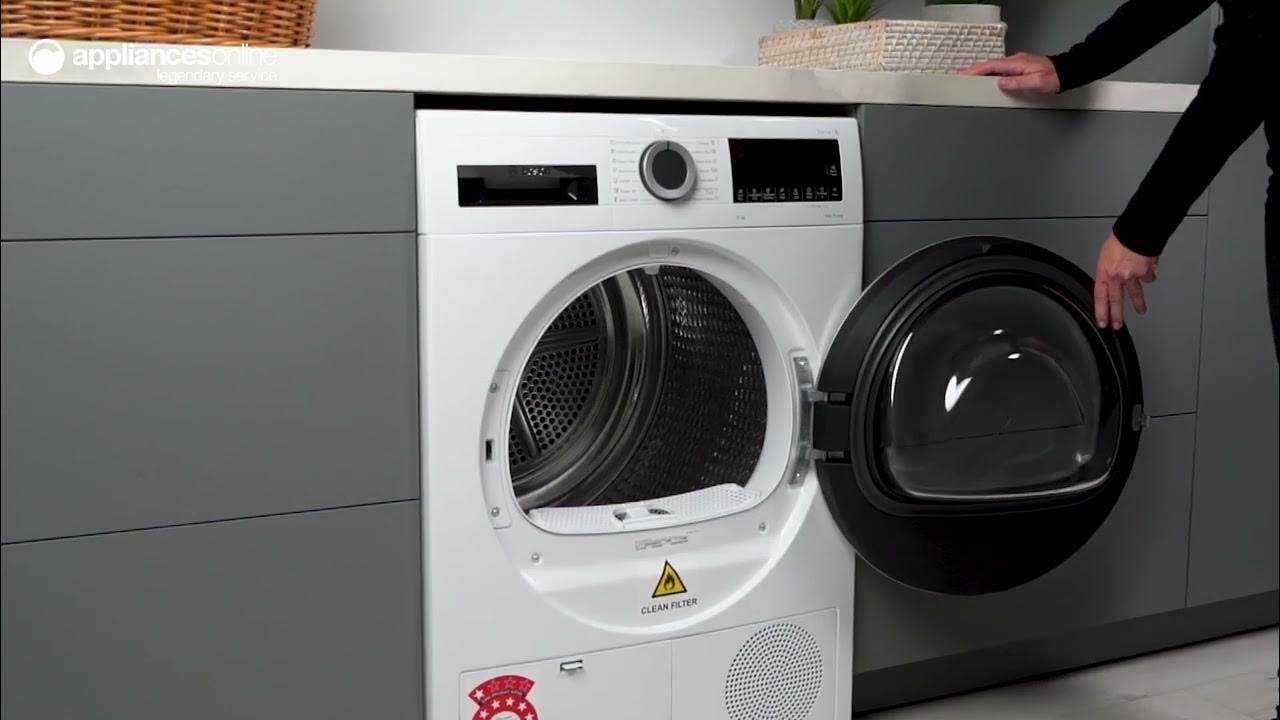
Essential Maintenance Tips for Your Heat Pump Tumble Dryer
Maintenance is crucial to avoid breakdowns and maintain efficiency. Start with the lint filter: Clean after every cycle to prevent blockages, which can extend drying times by 30%. For the condenser or heat exchanger, rinse monthly with water use a soft brush for fins to remove dust and prevent musty odors.
Empty the water tank promptly to avoid mold; some models auto-drain via plumbing. Wipe the drum and sensors with vinegar-water solution quarterly to combat bacteria. Check door seals for wear clean with white vinegar to prevent leaks.
For longevity, run a maintenance cycle if available (like LG’s secret mode) and ensure room temperature stays above 10°C. Professional servicing every 2-3 years checks refrigerant levels. These steps can extend life to 10-15 years.
FAQ
What is a Heat Pump Tumble Dryer?
It’s an energy-efficient dryer that recycles hot air via a heat pump to remove moisture gently.
How Does a Heat Pump Tumble Dryer Work?
Warm air absorbs moisture, which condenses via refrigerant coils, and dry air reheats for reuse.
Is It Worth Getting a Heat Pump Tumble Dryer?
Yes, for savings up to £100 yearly and better fabric care, despite higher upfront costs.
What Are the Downsides of a Heat Pump Dryer?
Longer cycles (2-3 hours) and potential mold if unmaintained.
What is a Heat Pump Tumble Drier?
Same as a heat pump tumble dryer a low-energy appliance using recycled heat.
What is the Difference Between a Condenser Dryer and a Heat Pump Dryer?
Heat pumps recycle air for efficiency; condensers generate new heat, using more energy.
What Are the Disadvantages of a Heat Pump Tumble Dryer?
Higher cost, slower drying, and room temperature sensitivity.
Conclusion
Heat pump tumble dryers offer unmatched efficiency and care, with models from Bosch, Beko, Hotpoint, and Samsung leading in reviews. By following maintenance tips like regular cleaning you’ll maximize savings and lifespan.