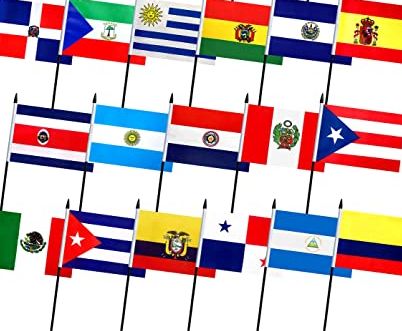






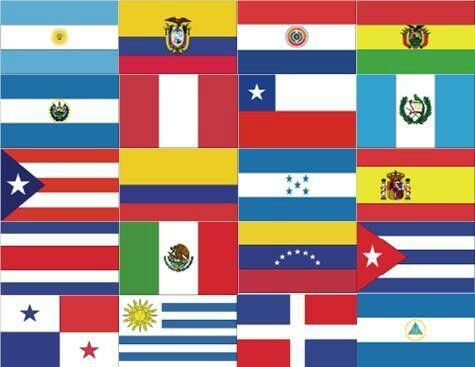
Flags are more than colorful fabrics they’re symbols of national identity, history, and aspirations, reflecting a country’s journey through colonialism, independence, and cultural evolution. In the Spanish-speaking world, which encompasses 21 countries and territories where Spanish is an official or primary language, these banners tell stories of indigenous roots, European influence, and revolutionary struggles. With over 580 million Spanish speakers globally in 2026, understanding the flags of spanish speaking countries fosters appreciation for Hispanic heritage, aids in education, and enhances cultural events like Hispanic Heritage Month. From vibrant Andean designs to Caribbean emblems, these flags unite diverse nations under a linguistic bond. This article explores their histories, symbolism, and facts, including resources like flags of spanish speaking countries pdf downloads and printables for learning. Whether for a flags of spanish speaking countries quiz or classroom activities, dive in to discover the tales behind the colors.
The Spanish-Speaking World: An Overview
What are the 22 countries that speak Spanish? Actually, there are 20 sovereign nations where Spanish is official, plus Puerto Rico (a U.S. territory) often included, totaling 21. How many Spanish-speaking flags are there? 21 distinct ones, each with unique designs influenced by colonial Spain, indigenous symbols, and independence movements.
These countries span continents: 9 in South America, 7 in Central America (including Mexico), 3 in the Caribbean, Spain in Europe, and Equatorial Guinea in Africa. Flags often feature red, yellow, and blue echoing Spain’s influence symbolizing blood, wealth, and skies. For educators, flags of spanish speaking countries printables and coloring pages are excellent tools; sites like Etsy offer hispanic countries flags bundles.
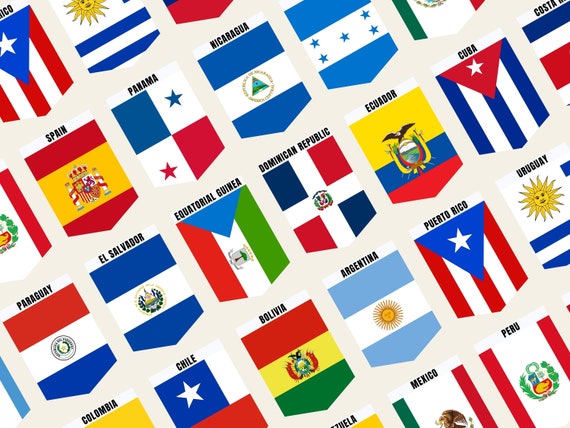
Flags of Spanish Speaking Countries in South America
South America hosts nine Spanish-speaking nations, their flags shaped by 19th-century liberation from Spain.
Argentina
The flag of Argentina features light blue and white stripes with a golden Sun of May in the center. Adopted in 1818, the blue represents the sky, white clouds, and the sun commemorates the May Revolution of 1810. Fact: The sun has 32 rays, alternating straight and wavy.
Bolivia
Bolivia’s tricolor red, yellow, green with coat of arms (optional). Red for blood, yellow minerals, green fertility. Adopted 1851, reflects Andean heritage.
Chile
Chile’s flag has white (Andes), blue (Pacific), red (blood), and a star for progress. Adopted 1817, inspired by U.S. flag.
Colombia
Yellow (wealth), blue (seas), red (blood) adopted 1861. Yellow half-size, symbolizing gold abundance.
Ecuador
Similar to Colombia’s but with coat of arms (condor, landscape). Adopted 1860, reflects Gran Colombia legacy.
Paraguay
Unique double-sided: red-white-blue with different emblems (star vs. coat). Adopted 1990, red for patriotism, white peace, blue liberty.
Peru
Red-white-red vertical stripes with optional coat. Red for blood, white Inti (sun god). Adopted 1825.
Uruguay
Blue-white stripes with golden sun. Adopted 1828, sun rays for independence.
Venezuela
Yellow-blue-red with stars arc. Adopted 2006, stars for provinces; yellow wealth, blue seas, red bravery.
Flags of Spanish Speaking Countries in Central America and Mexico
Central America and Mexico’s flags often draw from the Federal Republic of Central America (1823-1841).
Costa Rica
Blue-white-blue-red-blue horizontal. Blue for sky, white peace, red blood. Adopted 1848, central coat with volcanoes.
El Salvador
Blue-white-blue with coat (triangle, volcanoes). Blue Pacific/Atlantic, white peace. Adopted 1912.
Guatemala
Blue-white-blue vertical with quetzal coat. Blue skies/seas, white purity. Adopted 1871.
Honduras
Blue-white-blue horizontal with five stars. Blue seas, white purity, stars provinces. Adopted 1866.
Mexico
Green-white-red vertical with eagle coat. Green hope, white purity, red blood. Adopted 1821, eagle from Aztec legend.
Nicaragua
Blue-white-blue with coat (triangle, rainbow). Blue seas, white purity. Adopted 1971.
Panama
Quartered white-blue-red-white with stars. Adopted 1925, blue/red for parties, white peace, stars progress/purity.
Flags of Spanish Speaking Countries in the Caribbean
Caribbean flags blend indigenous, African, and Spanish influences.
Cuba
Blue-white stripes with red triangle/star. Blue seas, white purity, red blood, star liberty. Adopted 1902.
Dominican Republic
Blue-red quartered white cross with coat. Blue sovereignty, red blood, white salvation. Adopted 1863.
Puerto Rico
Similar to Cuba’s but colors reversed. Adopted 1895, symbolizes independence struggle.
Flags of Spanish Speaking Countries: Europe and Africa
Spain
Red-yellow-red horizontal with coat. Red/yellow from Aragon/Castile. Adopted 1785, coat includes pillars of Hercules.
Which country is 🇪🇸? Spain what flag is 🇪🇸? The Spanish flag.
Equatorial Guinea
Green-white-blue triangle with red, tree coat. Green agriculture, white peace, blue sea, red labor. Adopted 1979, post-independence.
Flags of Spanish Speaking Countries with Names: Complete List in Order
Alphabetical order for clarity:
- Argentina
- Bolivia
- Chile
- Colombia
- Costa Rica
- Cuba
- Dominican Republic
- Ecuador
- El Salvador
- Equatorial Guinea
- Guatemala
- Honduras
- Mexico
- Nicaragua
- Panama
- Paraguay
- Peru
- Puerto Rico
- Spain
- Uruguay
- Venezuela
For 21 spanish speaking countries flags with names, see printable resources.
Table: Flags of Spanish Speaking Countries – Symbolism and Adoption
| Country | Flag Description | Symbolism | Adoption Year |
|---|---|---|---|
| Argentina | Light blue-white-light blue, golden sun | Sky, clouds, May Revolution | 1818 |
| Bolivia | Red-yellow-green, coat optional | Blood, minerals, fertility | 1851 |
| Chile | White-blue top, red bottom, star | Andes, Pacific, blood, progress | 1817 |
| Colombia | Yellow-blue-red (yellow half) | Wealth, seas, blood | 1861 |
| Costa Rica | Blue-white-red-blue-white | Sky, peace, blood | 1848 |
| Cuba | Blue-white stripes, red triangle/star | Seas, purity, blood, liberty | 1902 |
| Dominican Republic | Blue-red quartered, white cross, coat | Sovereignty, blood, salvation | 1863 |
| Ecuador | Yellow-blue-red, coat | Wealth, seas, blood | 1860 |
| El Salvador | Blue-white-blue, coat | Seas, peace | 1912 |
| Equatorial Guinea | Green-white-blue-red triangle, coat | Agriculture, peace, sea, labor | 1979 |
| Guatemala | Blue-white-blue vertical, quetzal coat | Skies/seas, purity | 1871 |
| Honduras | Blue-white-blue, five stars | Seas, purity, provinces | 1866 |
| Mexico | Green-white-red, eagle coat | Hope, purity, blood | 1821 |
| Nicaragua | Blue-white-blue, coat | Seas, purity | 1971 |
| Panama | White-blue-red-white quartered, stars | Peace, parties, progress/purity | 1925 |
| Paraguay | Red-white-blue, double-sided emblems | Patriotism, peace, liberty | 1990 |
| Peru | Red-white-red vertical, coat optional | Blood, sun god | 1825 |
| Puerto Rico | Red-white stripes, blue triangle/star | Blood, purity, seas, liberty | 1895 |
| Spain | Red-yellow-red, coat | Aragon/Castile heritage | 1785 |
| Uruguay | Blue-white stripes, golden sun | Seas, purity, independence | 1828 |
| Venezuela | Yellow-blue-red, stars arc | Wealth, seas, bravery, provinces | 2006 |
This table summarizes 21 spanish speaking countries flags with names and key details.
Educational Resources: Quizzes, Printables, and More
For interactive learning, try a flags of spanish speaking countries quiz on Quizlet sets like “21 Spanish Speaking Countries Flags Quiz” test recognition. Flags of spanish speaking countries quizlet decks include audio for names.
Flags of spanish speaking countries printables and coloring pages are perfect for kids sites like Pinterest offer flags of spanish speaking countries to color or pdf downloads. For order, flags of spanish speaking countries in order often alphabetical or by population.
FAQ
What Are the 22 Countries That Speak Spanish?
There are 21 commonly listed, including 20 sovereign and Puerto Rico; no standard 22, though some include Belize or Philippines (minority Spanish).
How Many Spanish-Speaking Flags Are There?
21 distinct flags for the primary Spanish-speaking nations and territories.
Which Country is 🇪🇸?
Spain.
What Flag is 🇪🇸?
The flag of Spain: red-yellow-red stripes with coat of arms.
Conclusion
The flags of spanish speaking countries embody rich histories from revolutionary suns to indigenous symbols uniting 21 nations in cultural pride. From South America’s tricolors to Caribbean stars, each tells a story worth exploring. For quizzes, printables, or coloring pages, resources abound. Dive deeper: download a flags of spanish speaking countries pdf from sites like Spanish411 or test your knowledge with a flags of spanish speaking countries quiz today celebrate Hispanic heritage!