




In an era where digital information overwhelms our daily lives think endless photos, videos, documents, and social media feeds effective tools to organize and access it all have become essential. As of December 2025, Android users generate and consume more content than ever, with global mobile data traffic projected to reach 110 exabytes per month, much of it tied to personal and professional files. This surge underscores the importance of content management on mobile devices. But what is content manager on android? At its core, it’s a feature or app that helps users handle, organize, and secure their digital assets seamlessly from their smartphones or tablets. Whether you’re a busy professional accessing enterprise documents on the go or a casual user sorting family photos, understanding content manager on android can streamline your workflow, boost productivity, and protect your data. In this comprehensive guide, we’ll break down the basics, explore related concepts like what is content marketing and what is content creation, and highlight top tools to get you started all while keeping things practical and actionable.
Understanding the Fundamentals: What is Content?
Before diving into specifics, let’s clarify what is content. In the digital world, content refers to any information or media designed to inform, entertain, or engage an audience. This includes text like blog posts and articles, visuals such as images and infographics, audio like podcasts, and videos on platforms like YouTube or TikTok. Essentially, it’s the “stuff” that fills our screens valuable when purposeful, overwhelming when unmanaged.
Content isn’t static; it’s dynamic and multifaceted. For instance, a social media post might combine text, images, and links to drive interaction. In 2025, with AI-generated media on the rise, content has evolved to include interactive elements like AR filters or personalized recommendations. Knowing what is content sets the stage for why management tools are vital: without organization, even the best ideas get lost in the noise.
What is Content Management?
Building on that, what is content management? It’s the systematic process of creating, storing, organizing, and distributing digital information throughout its lifecycle. This goes beyond simple file storage; it involves tools and strategies to ensure content is accessible, secure, and up-to-date. In business contexts, content management systems (CMS) like WordPress or enterprise solutions handle everything from website updates to document collaboration.
On a personal level, content management means taming your device’s chaos sorting photos by date, backing up important files, or sharing media without hassle. Benefits include improved efficiency (quick searches save time), enhanced security (encryption protects sensitive data), and scalability (as your content grows, so does your system’s capability). In 2025, with remote work still dominant, robust content management reduces frustration and prevents data loss, making it a cornerstone for both individuals and teams.
What is Content Manager on Android? A Closer Look
Now, to the heart of the matter: what is content manager on android? On Android devices, “Content Manager” often refers to built-in or third-party apps that facilitate file and media handling. For Samsung users, it’s a system application integrated into apps like My Files or Gallery, providing a centralized hub for browsing, organizing, and backing up content across internal storage, SD cards, and cloud services. Features include file navigation, media playback, storage analysis to free up space, and seamless integration with services like Google Drive or Samsung Cloud.
However, it’s not without quirks. Some users, especially on carrier-locked devices like T-Mobile’s Galaxy series, report Content Manager (linked to “App Selector”) automatically installing unwanted apps, such as games, due to overlooked permissions during setup. To mitigate this, disable App Selector in settings or toggle off auto-install options.
Beyond Samsung, enterprise-focused apps like OpenText Content Manager elevate this concept. This Android app allows secure access to organizational records anytime, anywhere, with capabilities for searching, editing, and creating documents even offline. It requires an OpenText Content Manager 10.1+ system and supports features like barcode scanning and metadata editing, making it ideal for professionals in fields like finance or healthcare.
In broader terms, content manager on android encompasses any tool that streamlines digital asset handling, from simple file explorers to advanced CMS apps. With Android’s open ecosystem, users can customize these for personal or business needs, ensuring content flows efficiently in a mobile-first world.
Exploring Related Concepts: What is Content Creation and Strategy?
Content doesn’t exist in a vacuum; it’s part of a larger ecosystem. Let’s connect the dots. What is content creation? It’s the process of researching, ideating, and producing media whether writing an article, filming a video, or designing graphics to engage audiences. On Android, apps like Canva or Adobe Express make this accessible, allowing users to create professional visuals right from their phones.
Tied to this is what is content strategy, a high-level plan for planning, developing, and managing content to meet goals like audience growth or brand awareness. A solid strategy involves audience research, keyword optimization, and distribution channels. For Android users, integrating a content manager helps execute this by organizing drafts, tracking analytics, and scheduling posts via tools like Buffer or Hootsuite.
These elements ensure your efforts aren’t scattered, turning raw ideas into impactful assets.
Diving Deeper: What is Content Writing and Syndication?
Content often starts with words, so what is content writing? It’s crafting informative, engaging text for digital platforms, such as blog posts, emails, or product descriptions, aimed at educating or persuading readers. Unlike copywriting, which focuses on sales, content writing builds long-term value. Android apps like Google Docs or Grammarly assist by offering mobile editing and AI suggestions.
Once created, how do you amplify it? Enter what is content syndication: republishing your content on third-party sites to reach wider audiences, often with backlinks to the original. Platforms like Medium or LinkedIn make this easy on Android, boosting visibility without duplicating effort. However, use canonical tags to avoid SEO penalties.
Together, these practices enhance how a content manager on android supports creators by storing syndicated pieces and tracking performance.
The Business Angle: What is Content Marketing?
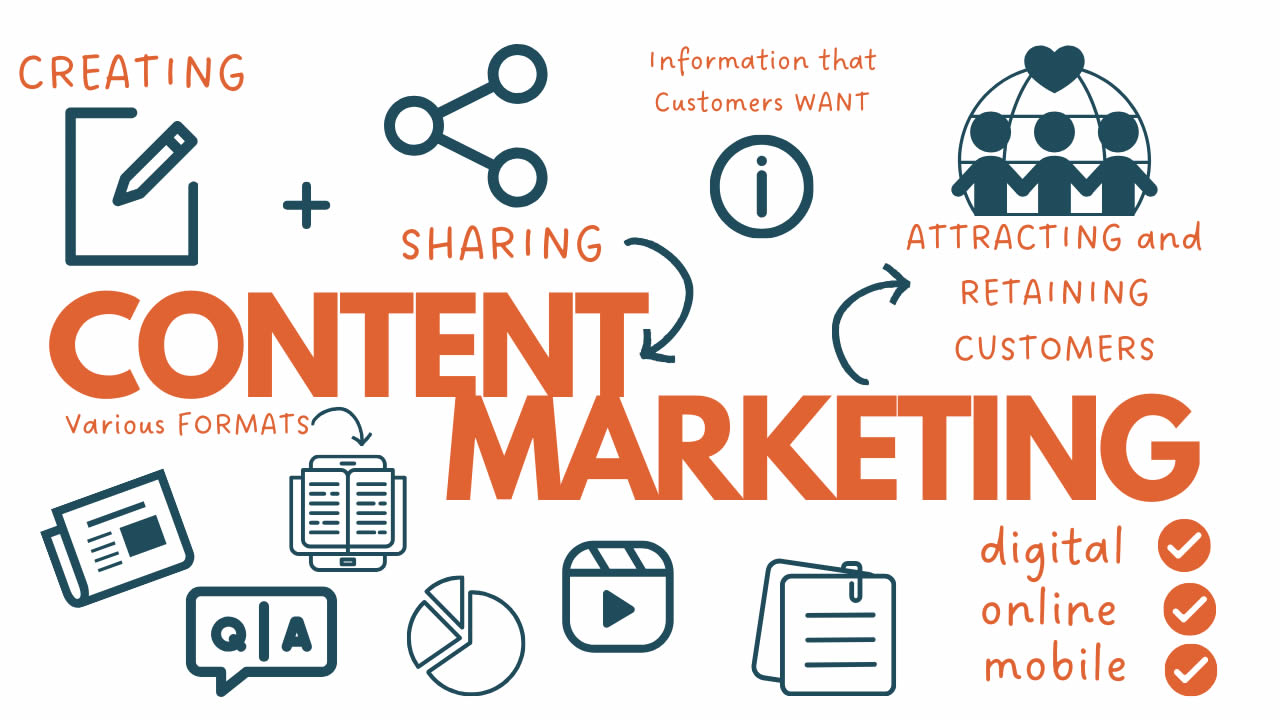
No discussion is complete without what is content marketing? It’s a strategic approach to creating and sharing valuable content to attract, engage, and retain customers, ultimately driving profitable actions. Unlike traditional ads, it builds trust through blogs, videos, or ebooks. In 2025, with short-form video dominating, Android tools like CapCut for editing tie into this seamlessly.
What is content marketing? It’s also about metrics measuring ROI via engagement rates or conversions. A good content manager app on Android aids by organizing campaigns, collaborating on assets, and integrating with analytics like Google Analytics.
Top Content Management Apps for Android in 2025
To put theory into practice, here’s a curated table of the best content management apps for Android this year. Drawn from expert reviews, these focus on usability, features, and integration, with average ratings from Google Play. Whether for personal use or enterprise, they exemplify content manager on android at its best.
| App Name | Key Features | Best For | Average Rating | Price Model |
|---|---|---|---|---|
| OpenText Content Manager | Secure record access, offline editing, barcode scanning | Enterprise teams | 3.5/5 | Free (enterprise license required) |
| Strapi | Headless CMS with APIs, custom modeling | Developers building apps | N/A (open-source) | Free/self-hosted |
| My Files (Samsung) | File browsing, cloud integration, storage optimization | Everyday users | 4.2/5 | Built-in/free |
| Contentful | API-first delivery, localization support | Large-scale content | 4.0/5 | Starts at $300/mo |
| Odoo | CRM integration, task automation | Small businesses | 4.5/5 | Free/community edition |
| Sanity | Real-time collaboration, data optimization | Content teams | 4.3/5 | Freemium |
| Jotform | Form building, workflow automation | Data collection | 4.6/5 | Freemium |
| Connecteam | Employee scheduling, file sharing | Non-desk workers | 4.4/5 | Starts at $29/mo |
| Semrush | Keyword tracking, content optimization | Marketers | 4.7/5 | Freemium |
| Payload CMS | TypeScript-first, custom APIs | Advanced developers | N/A (open-source) | Free |
These apps highlight how content manager on android has evolved, offering everything from basic file management to sophisticated CMS capabilities. For more, check Google Play or app-specific sites.
Practical Tips for Using Content Manager on Android
To maximize your setup, start by assessing your needs personal organization or team collaboration? Customize views in apps like My Files for quick access, enable auto-backups to avoid data loss, and integrate with cloud services for seamless syncing. Troubleshoot common issues like app crashes by clearing cache or updating software. For security, use encryption features and two-factor authentication. As AI advances, look for apps with smart tagging to automate sorting.
FAQ: Answering Your Burning Questions
1. What is content manager on android exactly?
It’s a tool or app for organizing files, media, and data on Android devices, like Samsung’s built-in feature or enterprise apps like OpenText.
2. What is content?
Content is any digital information or media, such as text, images, or videos, created to engage audiences.
3. What is content marketing?
It’s a strategy to create and distribute valuable content to attract and retain customers, building trust over time.
4. What is content creation?
The process of producing media like articles or videos, often using Android apps for on-the-go editing.
5. What is content strategy?
A plan for managing content lifecycle to achieve goals, including research and distribution.
6. What is content writing?
Crafting engaging text for digital platforms to inform or persuade, distinct from sales-focused copywriting.
7. What is content syndication?
Republishing content on other sites to expand reach, with links back to the original for SEO benefits.
Final Thoughts: Master Your Digital World
From defining what is content to exploring what is content manager on android, we’ve covered the essentials and beyond, including what is content marketing, what is content creation, and more. These tools and concepts empower you to handle the digital deluge effectively in 2025. Whether opting for Samsung’s native features or advanced apps like Strapi, the key is consistency and security.