


In the fast-paced world of digital marketing, building a strong online presence hinges on more than just creating content it’s about crafting pieces that others can’t resist linking to. Linkable assets are those standout resources, like in-depth guides, interactive tools, or original research, that naturally draw backlinks and boost your site’s authority. As we wrap up 2026, understanding how to find linkable assets analytics has become crucial for SEO pros and marketers aiming to outpace competitors. With Google’s algorithms favoring high-quality, relevant links more than ever, leveraging analytics to pinpoint these assets can transform your link building strategy, driving organic traffic and improving rankings. This guide explores practical methods to uncover and analyze linkable assets, drawing on real-world data and tools to help you stay ahead in link building in digital marketing.
What Are Linkable Assets?
Linkable assets refer to high-value content pieces designed to attract backlinks organically from other websites. These aren’t your everyday blog posts; they’re resources that provide unique value, such as comprehensive guides, infographics, calculators, or industry reports. For instance, an interactive tool that helps users calculate ROI or a data-driven study on market trends can become magnets for links because they offer something shareable and cite-worthy.
In SEO terms, linkable assets stand out because they align with user intent and solve problems effectively. Common types include original research, which backs up claims with fresh data; visual content like infographics that simplify complex info; and evergreen guides that remain relevant over time. According to experts, even small-scale surveys or trend analyses can turn into link gold if presented compellingly. The key is uniqueness assets that can’t be easily replicated encourage others to link rather than copy.
Creating these assets isn’t just about creativity; it’s strategic. Start by researching what your audience needs through keyword tools, then build content that fills gaps. For deeper insights, check out resources like Backlinko’s guide on link building strategies (external link: https://backlinko.com/link-building-strategies), which highlights how assets tie into broader SEO efforts.
The Importance of Link Building in Digital Marketing
Link building remains a cornerstone of digital marketing in 2026, evolving from quantity-focused tactics to emphasizing quality and relevance. High-authority backlinks signal trustworthiness to search engines, improving domain authority and search rankings. Recent trends show that 65% of marketers view link building as a major challenge, yet it’s essential for long-term visibility. In an AI-driven era, links from reputable sources help algorithms understand context, making your site more discoverable.
Beyond SEO, link building in digital marketing fosters partnerships and amplifies reach. Digital PR, for example, has surged, with brands allocating up to 40% of budgets to it for natural link acquisition. Avoid outdated pitfalls like low-quality directories; instead, focus on value-driven approaches. As algorithms get smarter, genuine connections through content and outreach yield better ROI, reducing risks from penalties.
For businesses, effective link building translates to more traffic and conversions. Internal linking also plays a role, guiding users and distributing page authority. If you’re new to this, our internal guide on SEO fundamentals can provide a solid foundation.
How to Identify Linkable Assets Using Analytics
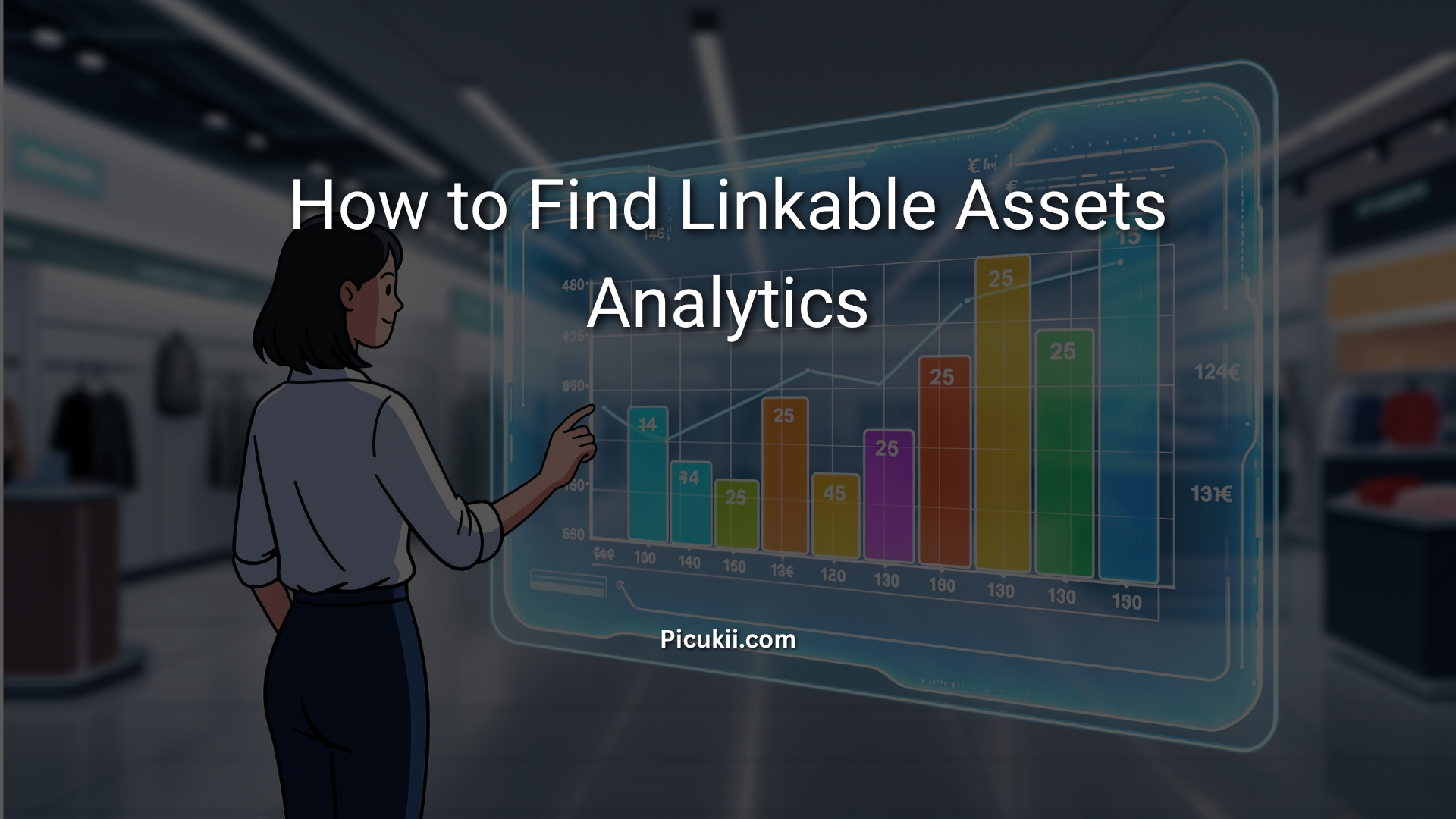
Finding linkable assets starts with data-driven analysis. Use tools like Google Analytics to track user behavior and spot high-engagement pages. Navigate to Behavior > Site Content > All Pages to see where visitors spend the most time these often indicate potential linkable assets based on dwell time and bounce rates.
Competitor analysis is another powerhouse method. Tools like Ahrefs or SEMrush reveal backlink profiles; enter a rival’s domain to uncover their most-linked content. Look for patterns, such as infographics earning hundreds of links, and adapt them to your niche. Google Search Console complements this by showing top-linked pages on your site.
For deeper insights, integrate keyword research. Identify topics with high search volume but low competition, then create assets around them. Track performance post-creation using metrics like referral traffic and backlink growth. If an asset underperforms, refine it based on feedback analytics isn’t static; it’s about iteration.
Advanced Techniques with AI and Data
In 2025, AI enhances how to find linkable assets analytics by predicting link potential. Tools analyze historical data to suggest content types likely to attract links. Combine this with internal data analytics for personalized strategies, like spotting customer behavior trends that inform asset creation.
Link Baiting: A Proven Strategy for Attracting Links
Link baiting involves creating content specifically to draw backlinks, often through controversy, utility, or novelty. Effective techniques include publishing original research, which positions you as an authority; developing infographics for visual appeal; or debunking myths to spark discussion.
Success lies in promotion share on social media, forums, and via email outreach. Update evergreen bait to keep it fresh, ensuring sustained links. Avoid overused tactics; focus on uniqueness to stand out in crowded niches.
Top Link Building Sites and Blogs
Leveraging link building sites can accelerate your efforts. Platforms like HARO (Help a Reporter Out) connect you with journalists for expert quotes, leading to high-authority links. Quora and Reddit allow content sharing with backlinks, provided it’s valuable and not spammy. Guest posting on “Write for Us” sites remains effective for targeted exposure.
For inspiration, follow link building blogs. Backlinko offers comprehensive strategies, updated for 2025 trends. Moz’s blog dives into technical aspects, while Search Engine Journal covers evolving tactics. Reddit’s r/SEO community shares real-time insights.
Here’s a table summarizing top link building blogs for 2025:
| Blog Name | Focus Areas | Key Strength | External Link |
|---|---|---|---|
| Backlinko | Strategies, case studies | Practical, data-backed tips | https://backlinko.com |
| Moz Blog | Technical SEO, link analysis | In-depth guides | https://moz.com/blog |
| Search Engine Land | Industry news, algorithm updates | Timely insights | https://searchengineland.com |
| Ahrefs Blog | Tool-specific tactics, research | Analytics integration | https://ahrefs.com/blog |
| SEMrush Blog | Comprehensive marketing | Versatile for beginners | https://www.semrush.com/blog |
These resources provide actionable advice to refine your approach.
How to Check and Optimize Backlinks
To see backlinks in Google Analytics, head to Acquisition > All Traffic > Referrals for referral sources, though it doesn’t list all links directly. For a fuller view, use Google Search Console’s Links report to identify top linking sites and pages.
Checking indexed backlinks involves tools like Ahrefs’ Backlink Checker or Google’s “site:” operator to verify if linking pages are crawled. To get clicks on a link, optimize with compelling CTAs, social sharing, and UTM parameters for tracking. Finding backlinks on Google? Use Search Console or operators like “link:yourdomain.com,” but third-party tools offer more detail.
FAQ
How do I see backlinks in Google Analytics?
In GA4, navigate to Reports > Acquisition > Traffic Acquisition, filter by “referral” to view sources, but for comprehensive backlinks, pair with Google Search Console.
How to check indexed backlinks?
Use Ahrefs or SEMrush to scan backlinks, then check indexing with Google’s “cache:” operator or URL Inspection tool in Search Console.
How to get clicks on a link?
Craft engaging headlines, use eye-catching visuals, and promote via social media or email. Track with UTM tags for optimization.
How to find backlinks on Google?
Access Google Search Console’s Links report for a list of external links, or use advanced search operators like “link:domain.com.”
What are the best link building sites?
HARO, Quora, and Reddit are top for natural links; focus on value-driven contributions.
Why is link baiting effective?
It attracts links organically through high-value content like research or tools, reducing outreach efforts.
What role does link building play in digital marketing?
It boosts SEO, credibility, and traffic, evolving in 2025 toward quality and AI integration.
Conclusion
Mastering how to find linkable assets analytics empowers you to build a resilient SEO strategy, from identifying high-potential content to leveraging tools for backlink growth. Key takeaways include prioritizing quality assets, using analytics for insights, and incorporating link baiting for organic wins. In 2025’s competitive landscape, these tactics ensure sustained success in link building in digital marketing.