




In an era where AI overviews and zero-click searches dominate, organic search visibility remains a cornerstone of digital success. It measures how often and prominently your site appears in unpaid organic search results on engines like Google driving sustainable, high-intent traffic without ad spend. With organic channels accounting for over 50% of website visits in many industries, strong organic search visibility directly fuels organic traffic website growth, leads, and revenue.
Yet visibility is declining for some due to SERP changes: AI features push traditional results lower, and clicks on organic search results have dropped. Sites that adapt with proven organic search seo strategies see sustained rankings and traffic. This checklist provides actionable steps to audit, measure, and boost your organic search visibility for higher rankings in 2025 and beyond.
What Are Organic Search Results?
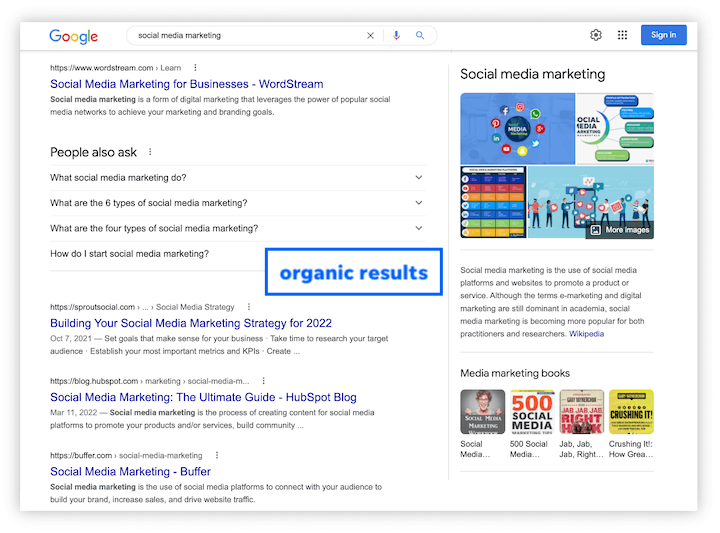
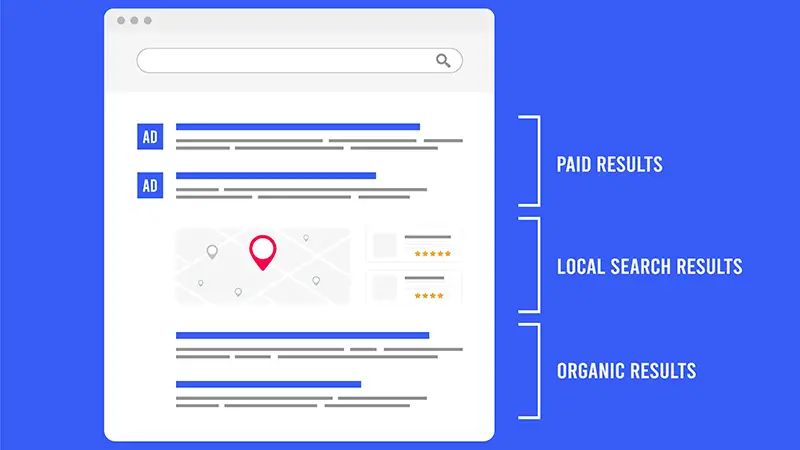
Organic search results are the unpaid listings on a search engine results page (SERP). Organic search results are typically displayed below paid ads, AI summaries, and features like knowledge panels or snippets.
Unlike sponsored ads marked “Ad,” these results earn positions through relevance, quality, and authority determined by Google’s algorithms. They include blue-link listings, rich snippets, images, or videos from your site.
High placement here drives organic traffic website visits, as users trust these impartial results more. In 2025, with AI overviews on many queries, traditional organic spots start lower, making optimization critical.
Why Organic Search Visibility Matters
Organic search visibility estimates your share of impressions for targeted keywords. Higher visibility correlates with more clicks, traffic, and conversions.
Benefits include:
- Cost-effective scaling: No per-click fees.
- Long-term compounding: Rankings build authority.
- Qualified visitors: Searchers show intent.
- Resilience: Diversifies from paid channels.
Data shows organic drives 53%+ of traffic in key sectors. Tools like organic traffic checker tool reveal competitors often capture visibility you’re missing.
How to Measure Organic Search Visibility
Track progress with reliable metrics and tools.
Key metrics:
- Visibility score (weighted CTR by position).
- Impressions and clicks (Google Search Console).
- Estimated traffic (third-party tools).
- Share of voice vs. competitors.
Use these organic traffic tools:
| Tool | Key Features for Visibility & Traffic Check | Free Tier? | Best For |
|---|---|---|---|
| Google Search Console | Impressions, clicks, CTR, queries – direct from Google | Yes | Accurate impressions & performance |
| Google Analytics 4 | Organic sessions, landing pages, behavior | Yes | On-site traffic analysis |
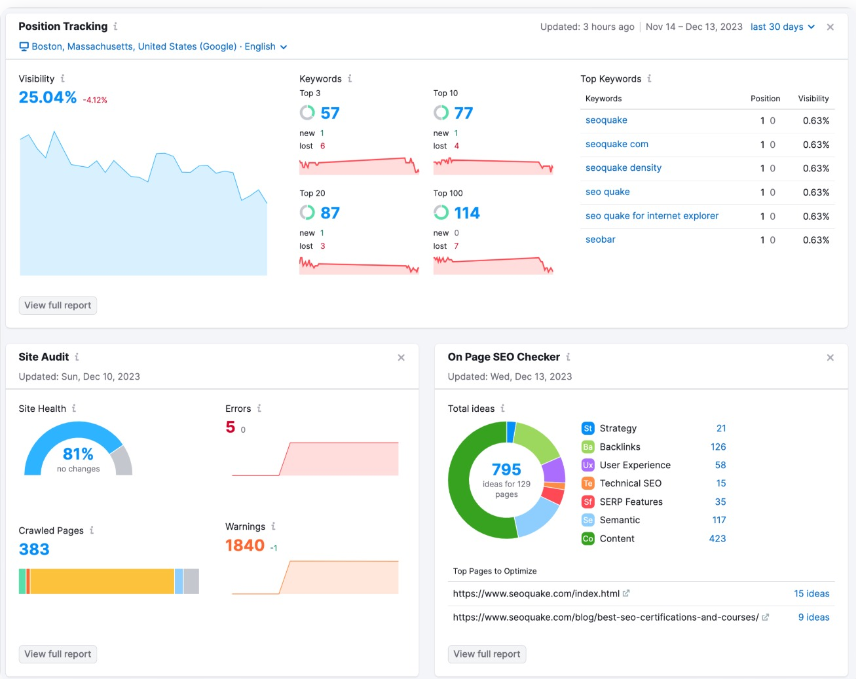
| Semrush Organic Research | Visibility %, estimated traffic, keyword positions | Limited | Competitor comparison & organic traffic check |
| Ahrefs Site Explorer | Organic traffic estimates, keywords, traffic value | Limited | Backlink & keyword insights |
| SE Ranking Traffic Checker | Domain traffic breakdown, trends | Yes (basic) | Quick organic traffic check |
This table compares popular organic traffic checker tool options for monitoring organic search visibility.
![What Is an Analytics Dashboard? [With Examples & Tips]](https://static.semrush.com/blog/uploads/media/29/86/2986d1ae9052ef0b9cf887f45af937ee/a139a7c32d7a51aab14a6ff6906d5e06/semrush-plus-google-analytics-dashboard.png)
Organic Search Visibility Checklist
Follow this step-by-step checklist, grouped by category, for organic search seo improvements.
Technical SEO Foundations
- Ensure mobile-friendliness (Core Web Vitals pass).
- Optimize site speed (compress images, minify code).
- Submit/update XML sitemap in Search Console.
- Fix crawl errors and ensure proper indexing.
- Implement HTTPS and structured data for rich results.
- Use robots.txt wisely avoid blocking key pages.
On-Page Optimization
- Research keywords matching intent (informational, commercial).
- Optimize titles, metas, and headers with primary terms.
- Create high-quality, helpful content (clear structure, answers queries).
- Use internal linking for better crawlability.
- Add alt text to images and optimize for featured snippets.
Content Strategy
- Build topical authority with clusters around pillars.
- Update old content for freshness and depth.
- Target long-tail keywords for easier wins.
- Incorporate E-E-A-T signals (expertise, experience, authoritativeness, trustworthiness).
- Optimize for AI/search features (direct answers, lists).
Off-Page and Authority Building
- Earn high-quality backlinks through digital PR and linkable assets.
- Monitor and disavow toxic links.
- Leverage social amplification for indirect signals.
Monitoring and Adaptation
- Set up rank tracking for core keywords.
- Regularly audit with organic traffic tools.
- Analyze SERPs for your queries adapt to changes.
![SEO - The Ultimate SEO Keyword Research Checklist [Infographic]](https://i.marketingprofs.com/assets/images/articles/lg/241008-infographic-v2-lg.png)
Prioritize based on audits: Fix technical issues first, then content, then links.
Advanced Tips for 2025
With AI integration:
- Structure content for easy extraction (headings, tables, bullet points).
- Focus on entity optimization and brand mentions.
- Diversify visibility (local packs, images, video).
- Track zero-click impacts and aim for featured positions.
Use organic traffic check regularly to spot drops early.
FAQ
What is organic search visibility?
Organic search visibility is the estimated percentage of impressions your site gets for tracked keywords in organic search results, reflecting prominence in unpaid SERPs.
How are organic search results displayed?
Organic search results are typically displayed below paid ads and features like AI overviews, as blue hyperlinks or enhanced snippets based on algorithmic relevance.
What tools can I use for organic traffic check?
Popular organic traffic tools include Google Search Console (free impressions), Semrush, Ahrefs, and SE Ranking for estimates and competitor organic traffic check.
How does organic search SEO differ from paid?
Organic search seo earns rankings through content quality, technical optimization, and authority, while paid involves bidding for ad placements.
Why is my organic traffic website dropping?
Common causes: Algorithm updates, technical issues, content staleness, or increased competition/SERP features reducing clicks.
What’s a good organic search visibility score?
It varies by industry, but 35-45%+ indicates strong performance for competitive niches.
How often should I check organic traffic?
Monthly at minimum; weekly for volatile industries using an organic traffic checker tool.
Conclusion
Boosting organic search visibility requires ongoing effort across technical, content, and authority-building areas. By following this checklist and leveraging organic traffic tools, you’ll improve rankings, attract more organic traffic website visitors, and achieve sustainable growth even in an AI-driven search landscape.