



In the fast-evolving digital landscape of 2026, content marketing technology has become the secret weapon for brands struggling to cut through AI-generated noise and reach the right people at the right time. With consumers bombarded by thousands of pieces of content daily, generic blasts no longer work. Instead, smart businesses use marketing technology to deliver hyper-personalised experiences that feel tailor-made, boosting engagement, loyalty, and conversions.
This guide explores how content marketing technology powers better audience targeting. We’ll break down the tools, strategies, and real-world applications that turn data into meaningful connections. Whether you’re a startup building your first marketing technology stack or an enterprise refining digital marketing technology, understanding these advancements isn’t optional it’s essential for staying competitive. By the end, you’ll see why investing in the right marketing technology services can transform your content from background noise into audience magnet.
What Is Content Marketing Technology?
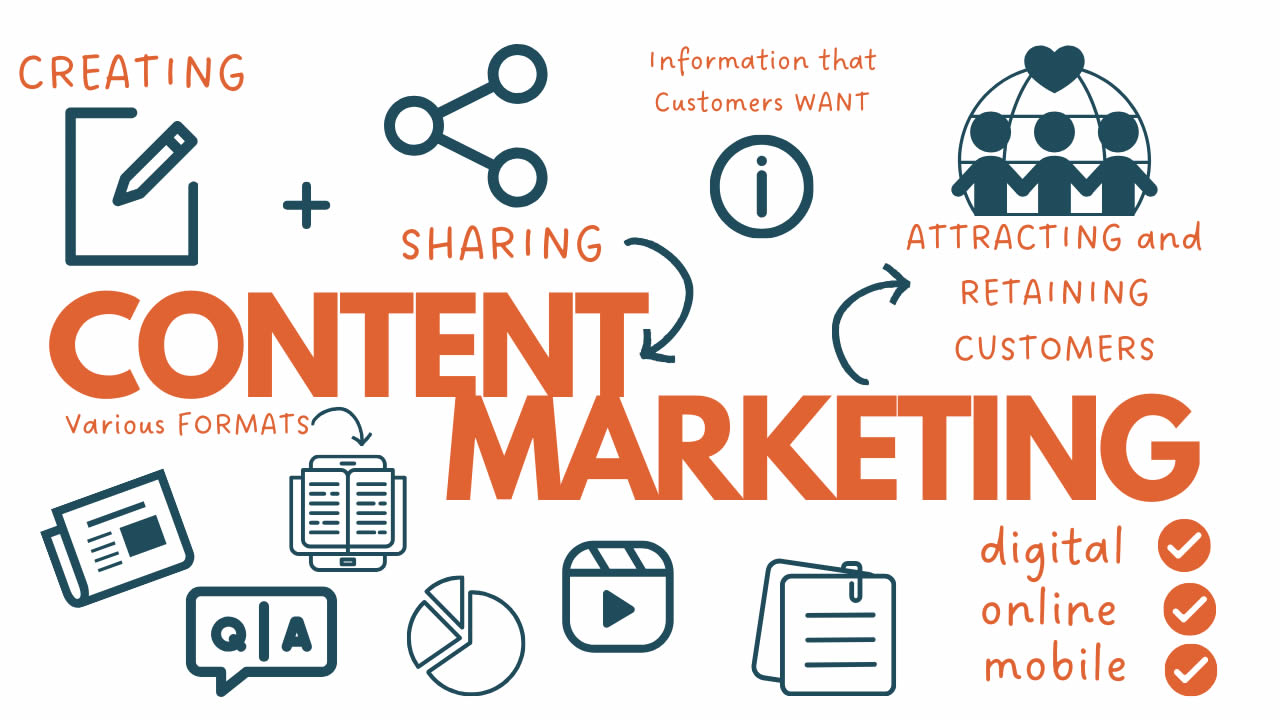
Content marketing technology refers to the suite of tools and platforms that help create, distribute, analyse, and optimise content while zeroing in on specific audience segments. It goes far beyond basic blogging tools. At its core, it integrates AI, data analytics, automation, and customer relationship management to make every piece of content smarter and more relevant.
Unlike traditional marketing, content marketing technology relies on first-party data information your audience willingly shares through interactions, behaviours, and preferences. This shift matters more than ever in 2026, as privacy regulations tighten and third-party cookies fade. Brands now use new marketing technology like customer data platforms (CDPs) and AI-driven insights to predict what audiences want before they even search for it.
The result? Content that doesn’t just inform but resonates. A 2026 report from industry experts highlights how hyper-personalisation enabled by these technologies allows brands to craft niche experiences for diverse audiences at scale, all while maintaining quality and relevance.
Why Audience Targeting Matters More in 2026
Audience targeting has evolved from broad demographics to real-time, behaviour-based precision. With AI search engines and zero-click experiences dominating, marketing technology helps brands appear exactly where their ideal customers are looking whether in conversational AI chats, social feeds, or personalised email journeys.
Deep insight: Data shows that personalised content drives 2-3 times higher engagement than generic material. Yet many teams still rely on gut feelings. Content marketing technology changes that by combining predictive analytics with real-time feedback loops, turning every interaction into actionable intelligence. This is especially powerful for B2B and SaaS brands, where buying journeys span months and involve multiple decision-makers.
Building a Powerful Marketing Technology Stack for Content
Your marketing technology stack is the foundation of effective content marketing technology. In 2026, the smartest stacks are lean, integrated, and AI-powered fewer tools, bigger impact. Gone are the days of 15 disconnected apps causing data silos. Modern stacks unify everything from content creation to performance tracking.
Core layers include:
- Data and Analytics: Tools to capture and unify first-party data.
- Automation and Personalisation: AI engines that deliver the right content automatically.
- Creation and Distribution: Platforms for generating and repurposing content at scale.
- Measurement: Real-time dashboards proving ROI.
Here’s a practical comparison of leading tools that form a robust marketing technology stack focused on audience targeting:
| Tool/Platform | Key Targeting Features | Best For | Approx. Starting Price (2026) | Integration Strength |
|---|---|---|---|---|
| HubSpot | AI segmentation, behavioural scoring, personalised journeys | SMBs & mid-market building owned audiences | £20/user/month | Excellent (all-in-one) |
| Adobe Experience Cloud | Real-time personalisation, AI predictive targeting, A/B testing | Enterprises needing 4K-scale customisation | Custom enterprise | High (with DAM/PIM) |
| Salesforce Marketing Cloud | Einstein AI for next-best-action, CDP unification | B2B with complex sales cycles | £1,000+/month | Strong CRM focus |
| Google Analytics 4 + Looker | Advanced audience segments, predictive metrics | Budget-conscious data-driven teams | Free tier available | Broad ecosystem |
| SparkToro | Audience research on behaviours, content preferences | Content teams refining personas | £50/month | Standalone insights |
| Optimizely / Mutiny | On-site personalisation, dynamic content testing | Ecommerce & high-traffic sites | £500+/month | Fast experimentation |
How Content Marketing Technology Drives Better Targeting
The real magic happens when digital marketing technology turns raw data into targeted content. AI now analyses behaviour in real time, predicting what a user wants next and serving personalised hero content or short-form videos accordingly.
Consider hyper-personalisation: Instead of one email blast to 10,000 subscribers, content marketing technology creates hundreds of micro-variations based on past clicks, location, and even current mood signals from browsing data. Tools like Adobe Target or Salesforce Einstein make this scalable without losing the human touch.
Deep insight: Brands using predictive targeting see up to 20% higher conversion rates because content meets audiences at the exact moment in their journey whether they’re researching, comparing, or ready to buy. First-party data from your own site, app, or community becomes the gold standard, respecting privacy while delivering relevance.
Content repurposing is another game-changer. AI tools automatically adapt a long-form article into TikTok clips, LinkedIn carousels, or podcast scripts, each optimised for different audience segments. This maximises reach without extra creation costs.
New Marketing Technology Trends Reshaping Audience Targeting
2026 brings exciting new marketing technology developments:
- Generative Engine Optimisation (GEO): Content is written to rank in AI answers, not just Google.
- Agentic AI Workflows: Autonomous agents handle everything from research to A/B testing.
- Zero-Click Content: Snippets and answers designed for instant consumption in chat interfaces.
- Community-Driven Personalisation: Building “content homes” where audiences return voluntarily.
These trends demand a modern marketing technology stack that supports real-time listening and adaptation. Brands ignoring them risk becoming invisible in AI-dominated discovery channels.
Marketing Technology Companies Leading the Charge
Several marketing technology companies dominate 2026:
- HubSpot: Democratises advanced targeting for smaller teams.
- Adobe: Powers enterprise-grade personalisation with Firefly AI.
- Salesforce: Excels in B2B account-based targeting.
- Emerging players like Synthesia (AI video) and Typeface (content agents) add specialised firepower.
These companies constantly innovate, making content marketing technology more accessible and powerful.
Marketing Technology Agencies and Services: Expert Help When You Need It
Not every business wants to build and maintain its own marketing technology stack. That’s where a marketing technology agency shines. These specialists offer marketing technology services ranging from stack audits to full implementation, training, and ongoing optimisation.
Agencies like Directive Consulting or Refine Labs help tech companies integrate AI tools without disrupting workflows. They bring expertise in digital marketing technology that internal teams often lack, delivering faster ROI through proven frameworks.
Outsourcing makes sense for rapid scaling or complex projects think migrating to a CDP or launching personalised video campaigns.
Marketing Technology Jobs: Careers Fueling the Future
The rise of content marketing technology has created booming marketing technology jobs. Roles like MarTech Specialist, CDP Analyst, AI Content Strategist, and Personalisation Engineer are in high demand.
Skills needed? Data fluency, AI prompting, integration knowledge, and a customer-first mindset. Salaries for experienced marketing technology professionals often exceed £60,000 in the UK, with remote opportunities abundant. If you’re job-hunting, focus on certifications in HubSpot, Google Analytics, or Adobe platforms to stand out.

Challenges and Best Practices for Success
No technology is perfect. Common pitfalls include tool overload, poor data quality, and over-reliance on AI without human oversight. Best practices:
- Start with strategy define your audience before picking tools.
- Prioritise privacy and consent to build trust.
- Test relentlessly with A/B experiments.
- Measure business outcomes, not just vanity metrics.
- Combine new marketing technology with authentic storytelling.
Teams that treat content marketing technology as an enabler not a replacement for creativity win big.
Frequently Asked Questions (FAQ)
1. What exactly is content marketing technology? Content marketing technology is the combination of software tools that help create, target, distribute, and measure personalised content at scale using data and AI.
2. How does a marketing technology stack improve audience targeting? A well-built marketing technology stack unifies data sources, enabling real-time segmentation and hyper-personalised content delivery that generic approaches can’t match.
3. Which marketing technology companies should I consider in 2026? Leaders include HubSpot for all-in-one ease, Adobe for enterprise power, and Salesforce for B2B depth. Choose based on your scale and needs.
4. Do I need a marketing technology agency? If your team lacks expertise in integration or AI, yes. A marketing technology agency accelerates results through specialised marketing technology services.
5. What are the top marketing technology jobs right now? High-demand roles focus on AI personalisation, data analytics, and stack management skills that blend technology with creative strategy.
6. How much does new marketing technology cost? Entry-level tools start free or under £50/month, while enterprise digital marketing technology can run thousands. ROI usually justifies the investment quickly through better targeting.
7. Is content marketing technology only for large brands? Absolutely not. SMBs benefit hugely from affordable options like HubSpot or Google tools, levelling the playing field against bigger competitors.
Conclusion: Take Your Audience Targeting to the Next Level
Content marketing technology isn’t a nice-to-have it’s the foundation for meaningful connections in 2026 and beyond. By building a smart marketing technology stack, embracing new marketing technology trends, and focusing on genuine personalisation, brands can turn casual browsers into loyal advocates.